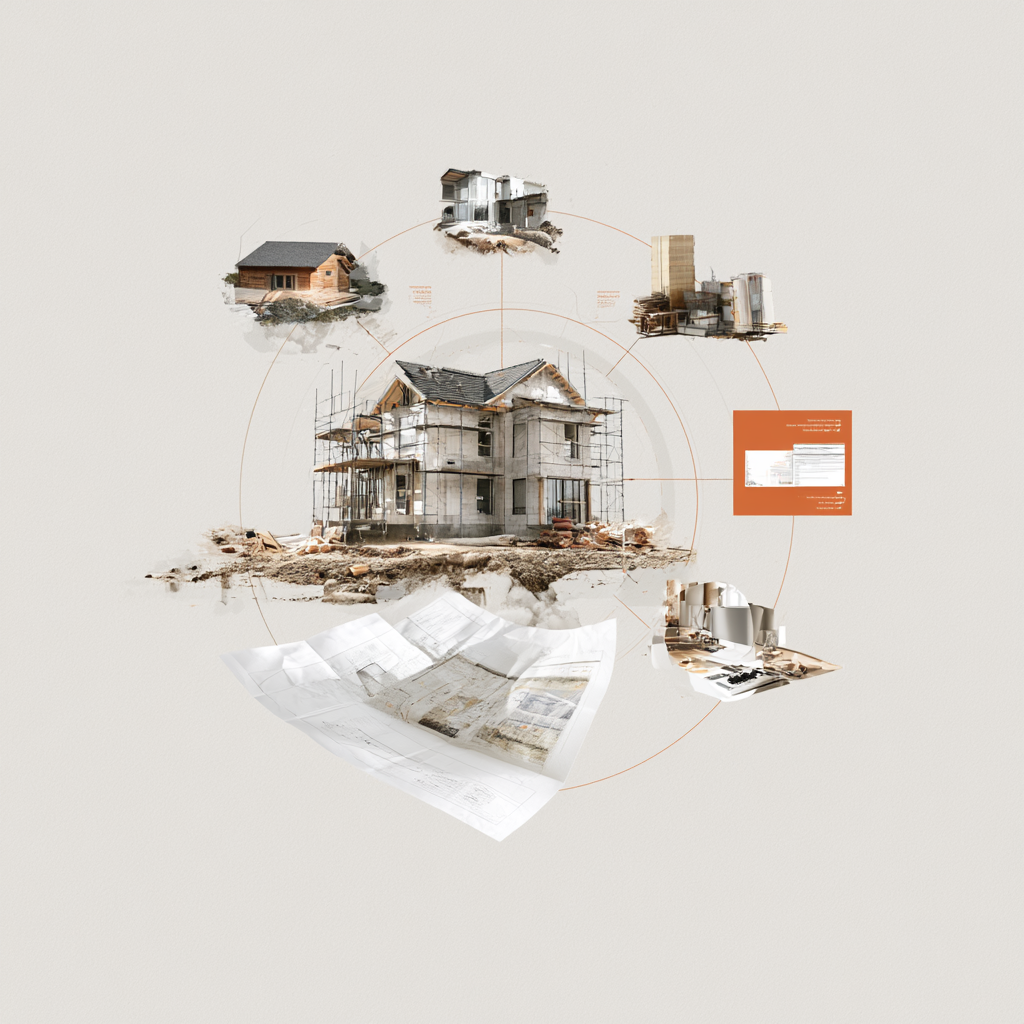
New Build Planning - where to start?
One of the biggest misconceptions about building a house is that you need to have everything figured out before you talk to a builder. You don't. You don't necessarily need a section. You definitely don't need a finished floor plan. You don't need to know exactly what your kitchen looks like. And you don't need a Pinterest board containing 437 images of Mediterranean houses before you're allowed to make the first phone call. Sometimes the starting point is simply: We think we'd like to build. What do we do next?
Big picture
Before we talk about floor plans, I'd ask you some much broader questions. Why are you building? What are your biggest priorities, not just with your home, but life in general? What isn't working about the home you're living in now? Where do you want to live? How long do you imagine living in the new house? Who lives with you now - and who might be living with you five or ten years from now? And, importantly, what's your realistic total project budget? That last question isn't there to limit the design. It's there to make the design smarter. One of the worst outcomes is spending months designing a house you fall completely in love with, only to discover you can't afford to build it. Unfortunately I see this alot!
We own a leaky house that needs to be rebuilt, so of course I had the dream design in mind. Surprise, surprise, we can’t afford that, and even if we had managed to, it would have put far too much pressure on our family. Having a builder over before we had started designing allowed us to realise we could actually subdivide and build two mid-size homes, keep one and sell one. Identifying all the possibilities early, and challenging what you might think you want or need, is a great process to go through to reach an informed decision that really is right for you.
“Sometimes the starting point is simply: We think we'd like to build. What do we do next?”

The site
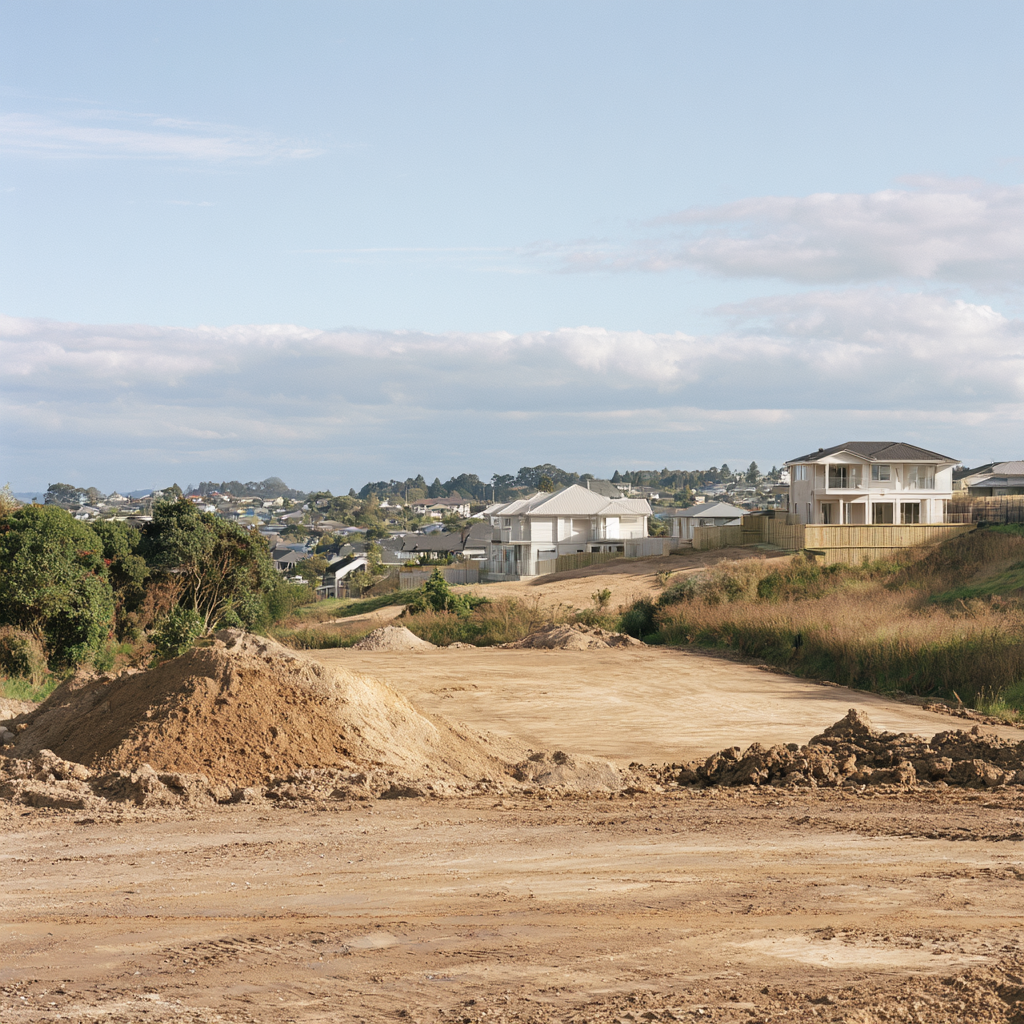
Some people might come to us with a section already purchased. Others might own an existing property they're considering knocking down and rebuilding. You may have a large property you're wondering about subdividing. Or you may have no land whatsoever. All are valid starting points. In fact, if you haven't bought your section yet, I'd encourage you to talk to us before you do. A section that looks perfect online can come with slope, difficult access, planning restrictions, services, geotechnical issues or significant siteworks that dramatically change what you can afford to build on it. Our consultation process is designed to consider the site, positioning, potential groundworks, construction options and budget early. I'd much rather have that conversation before you commit to the land than after. With our own home knock down & rebuild (we have Resource Consent but are still in the Building Consent process), going through this investigation first helped us realised the implications of having a large network of public pipes under our house (not what we wanted to hear!). Jennian then got surveying, geotech, CCTV done pretty quickly so they could give us a ballpark of what it might cost to upgrade these services if we had to, only then did we move on with deciding to subdivide and begin designing.
The house design
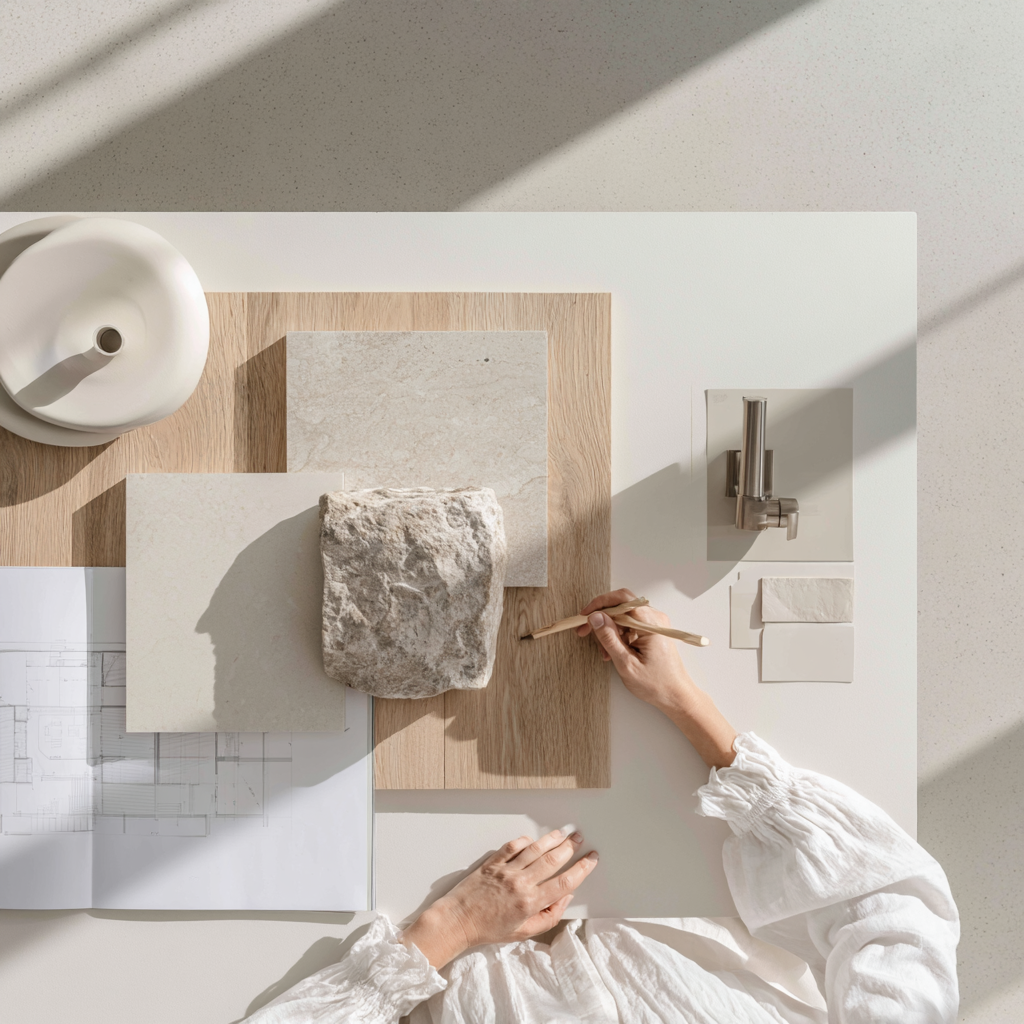
There are several ways we can approach this. You might find an existing plan that's close to what you want and customise it. Our current plan library includes a wide range of sizes and styles, and I can work with you to choose your ideal colour palette, or adapt parts of the plans to suit your site, lifestyle and budget - and design dreams of course! Or you might have a very clear vision and want to design your home from scratch. You might even be armed with architect’s plans already prepared. We also renovate. The right route depends on your site, budget, appetite for customisation and how involved you want to be in the design process.
Plan for life
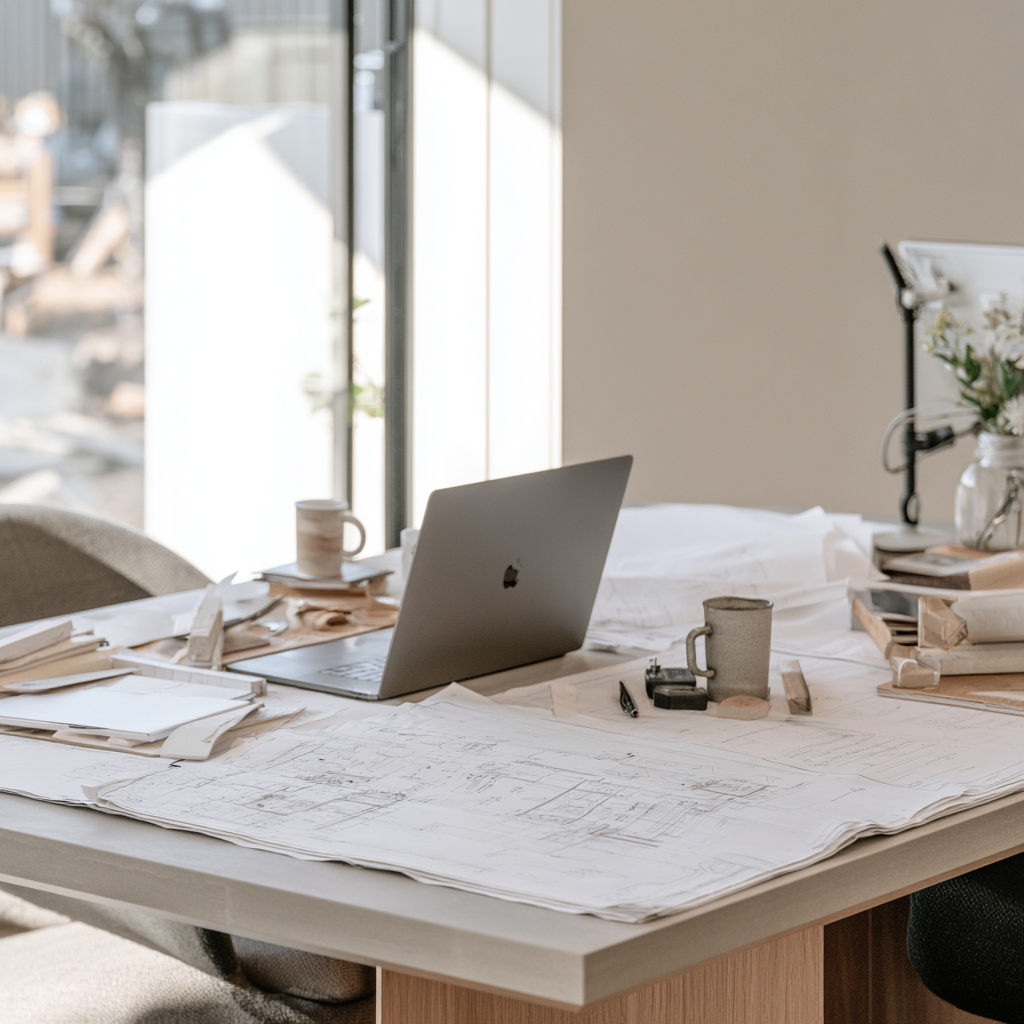
Once we understand the type of house, site and budget, we can get into the nitty gritty of great design, starting with space planning and floorplans. This is where I find out as much as possible about how you want to live, and we design a practical and functional floorplan unique to you. Depending on if you have young children, teenagers, are single or a couple, entertainers or people creating homes for the next phase of their lives, the design will look a bit different for each. This is where we start thinking about orientation, floor plan, indoor-outdoor flow, storage, kitchens, furniture, natural light and all the little moments that make a house work hard for you.
Set the budget early
Your budget isn't just the cost of the house. We need to think about the entire project: land if you haven't already bought it, siteworks, professional fees, council costs, driveways and landscaping, window treatments and furniture if they're part of the plan, and contingency. I always want to know the overall number because that's what allows us to make intelligent decisions about where to allocate money. If beautiful arched windows matter enormously to you, perhaps we simplify somewhere else. If you’ve always dreamed of a stylish, statement kitchen, let's prioritise it and save elsewhere, or plan it early and price up what the variation will be. Your budget should reflect your priorities, not a checklist of what a new home is supposed to contain.
“This is where I find out as much as possible about how you want to live, and we design a thoughtful and functional floorplan unique to you.”
Use the process
Building can feel overwhelming when you look at the entire thing at once. Broken into stages, it's much more manageable. Our current build process moves from defining your dream home and personal consultation through finalising design, construction and enjoying the finished home, with the detailed pricing, consent and build steps sitting within that journey. There are lots of decisions within those stages, but you don't need to make them all on day one. You just need to make the next right decision. So if you're thinking about building but don't know where to start, start with a conversation. Bring the section if you have one. Bring your plans if you have them. Bring your Pinterest board if you've made one. Or bring absolutely nothing except an idea of how you'd like your life to look. We can start there.