designer insider / cabinetry profiles
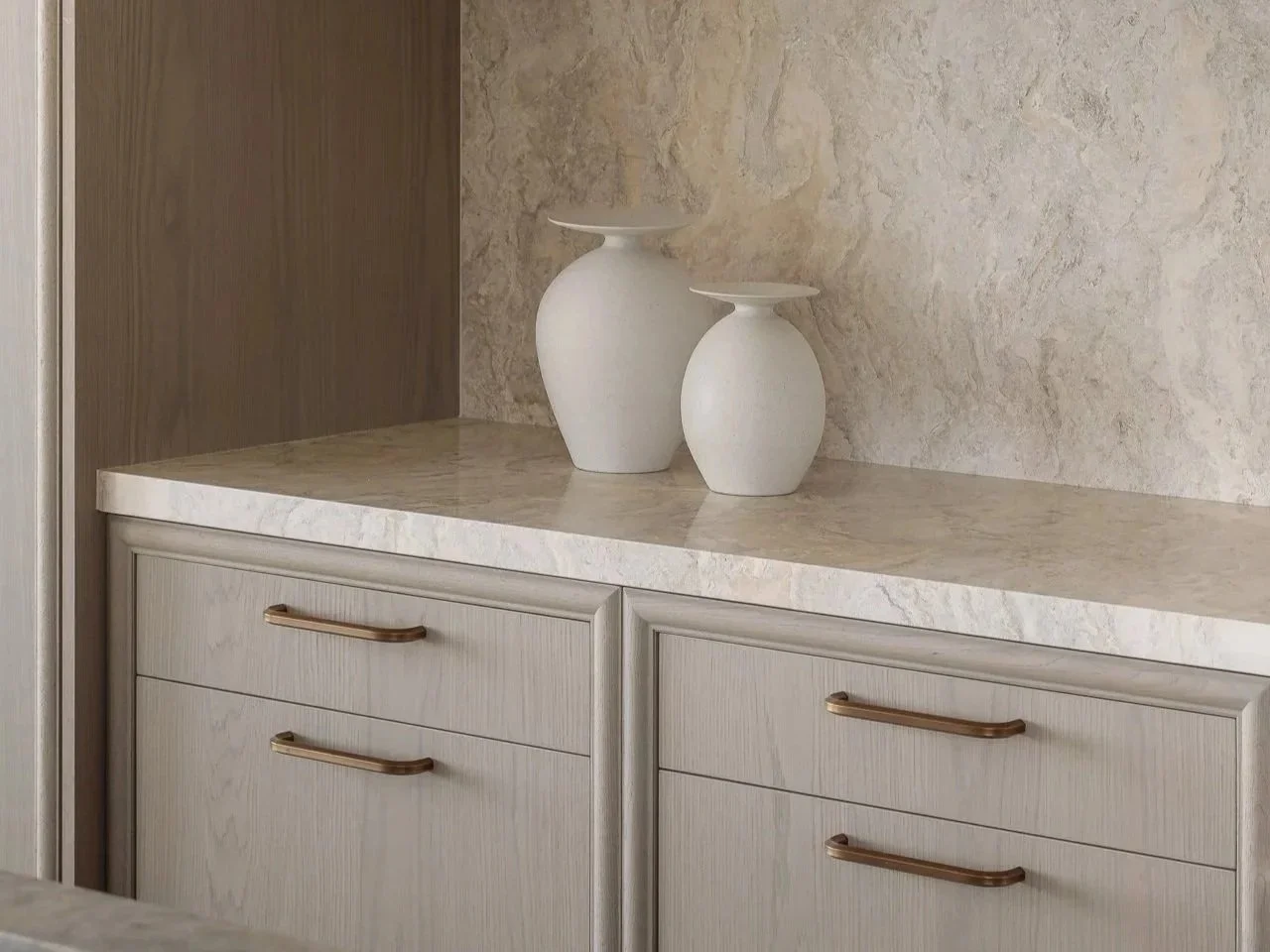
When people think about kitchens or cabinetry, they often focus on colours, stone selections or hardware. But one of the most defining design decisions is often something simpler — the cabinetry profile itself. It has the power to communicate a design style or vibe immediately. Shelley
The shape framing a cabinet door can completely shift the look and of a home. It’s the difference between an interior feeling contemporary, coastal, traditional, European, minimal or highly architectural. These subtle layers are what give cabinetry depth and personality, and in my opinion, they’re one of the most powerful tools we have in interior design. I often describe cabinetry profiles as the ‘tailoring’ of a kitchen or bathroom. Much like fashion, the cut and detailing completely change the overall style.
Flat cabinetry always has its place especially in minimal homes, but I prefer a profile as they introduce shadow lines, softness, and dimension. They catch light differently throughout the day. They create texture without needing more colour. They allow a kitchen to feel layered and timeless rather than flat or one-dimensional. In many ways, cabinetry profiles help bridge architecture and design. They create a language that can tie into architraves, cornices, wall panelling, furniture and even the style of the home itself.
Cabinetry Profiles I Love
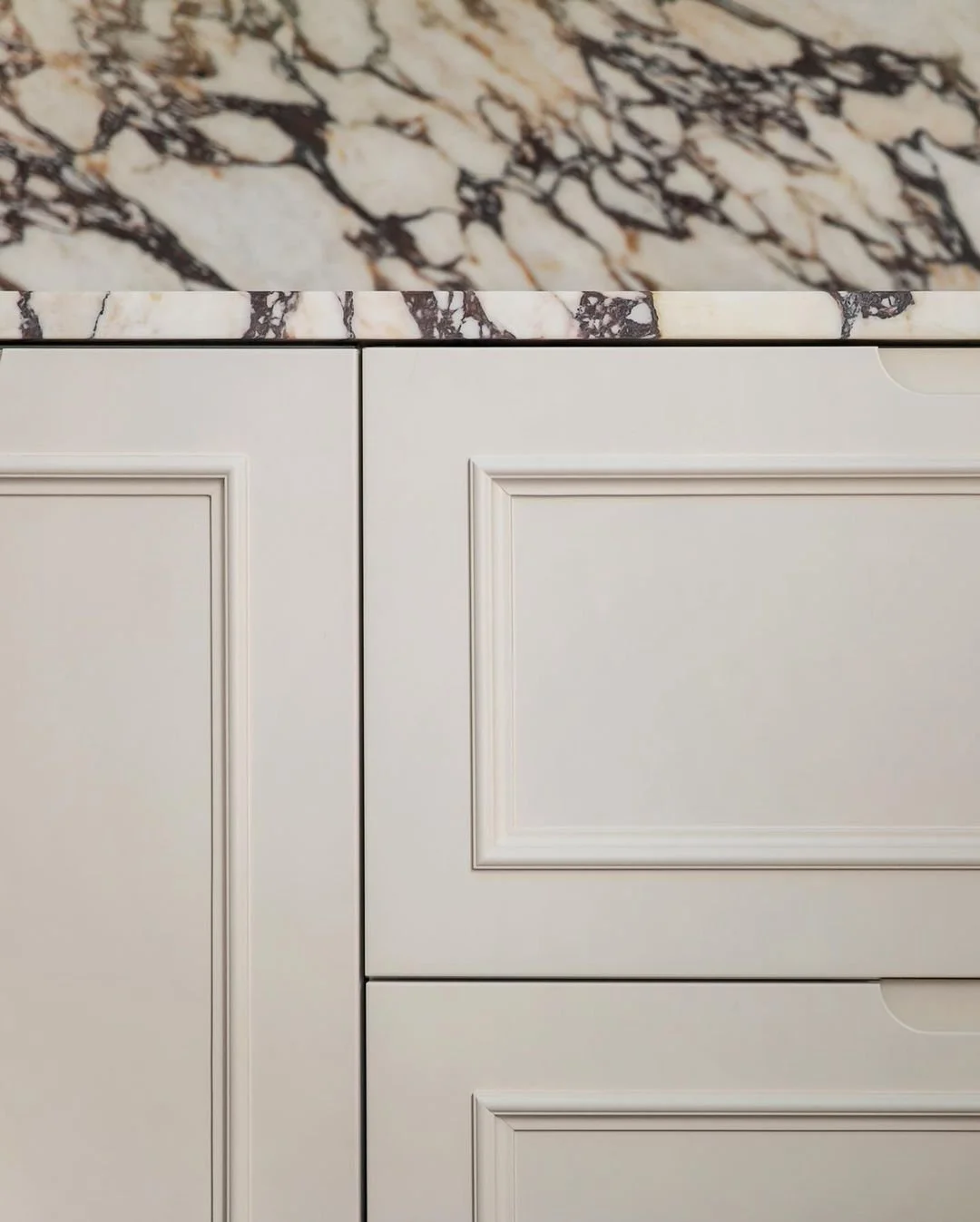
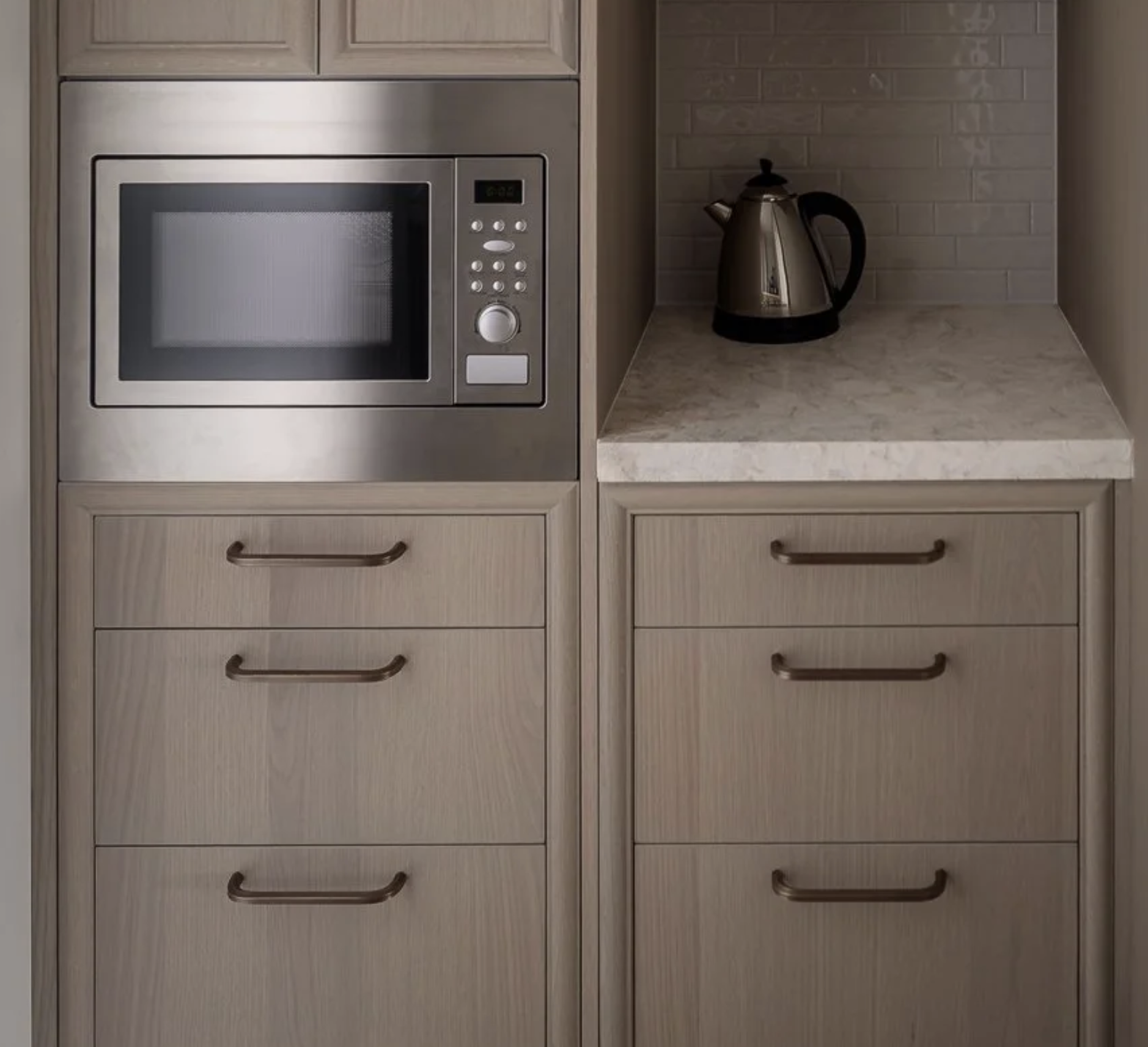
1. Shaker Profile
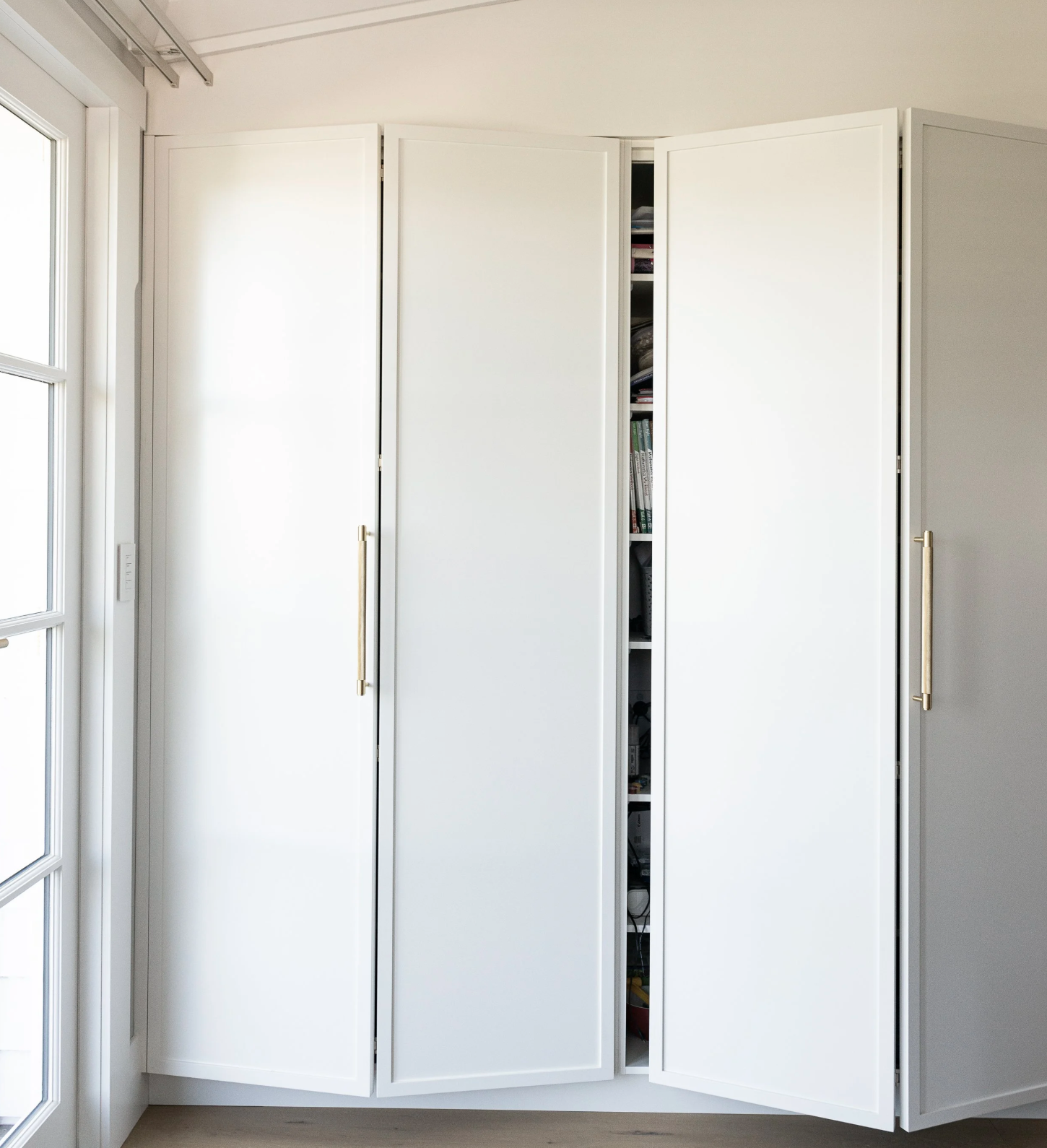
The shaker profile is perhaps the most enduring cabinetry style of all time. It features a recessed centre panel with a simple surrounding frame. The beauty of shaker cabinetry is its versatility. It can lean traditional, coastal, Hamptons, European farmhouse or contemporary depending on proportions, paint colour and hardware.
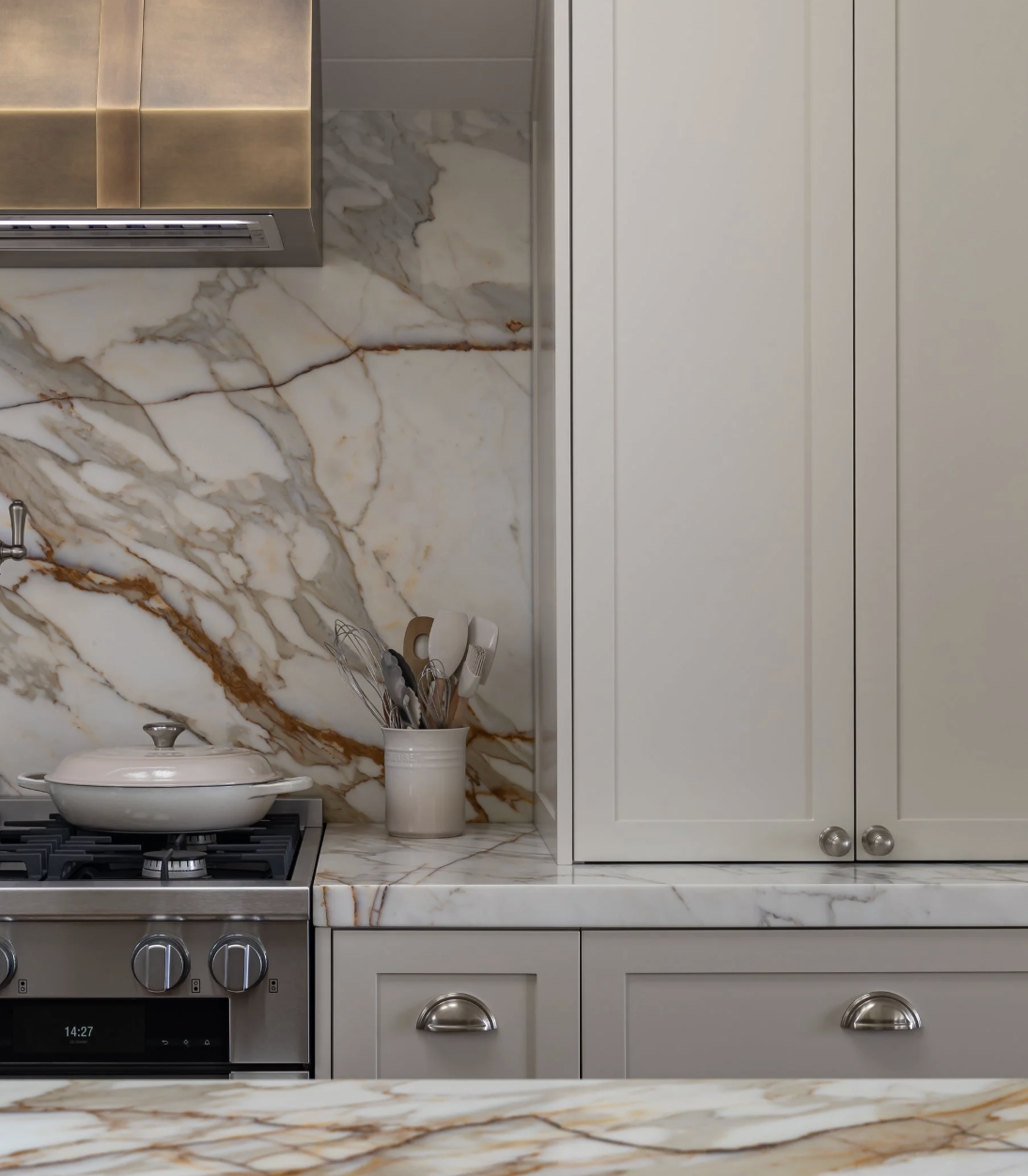
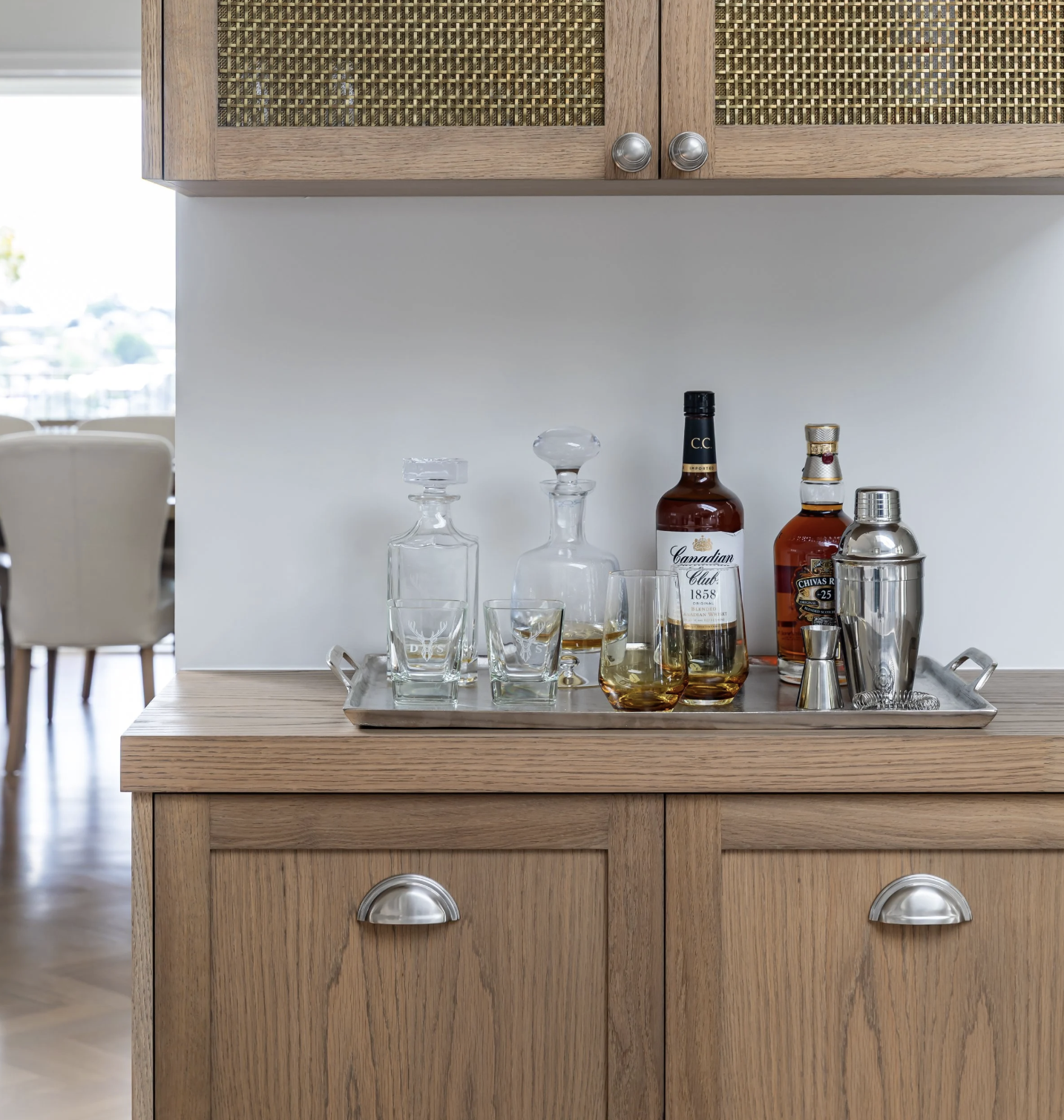
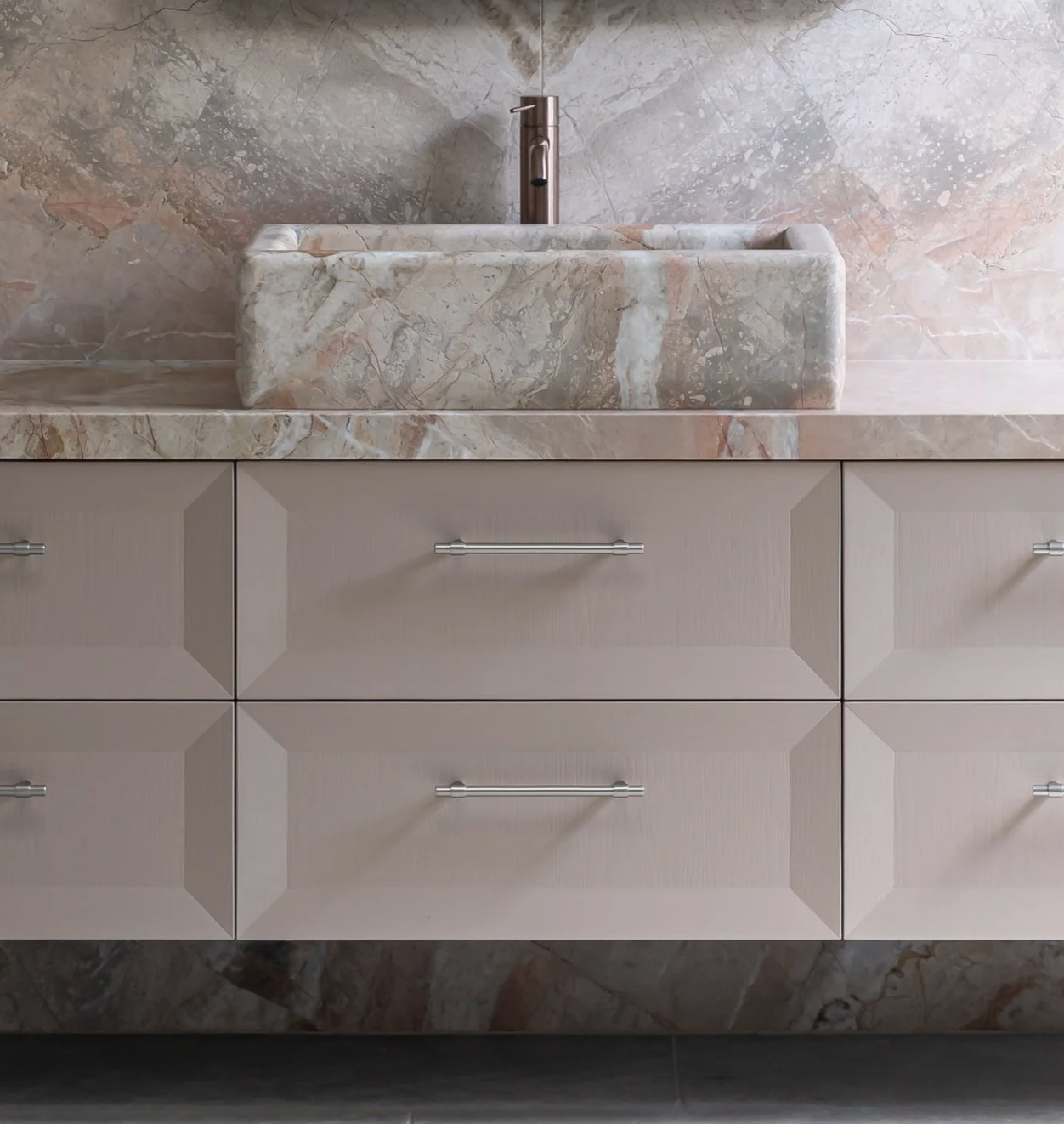
2. Bevelled Shaker
A bevelled shaker takes the classic shaker profile and softens the internal edge with an angled bevel detail. This instantly creates a more elegant and elevated look. I often use bevelled profiles when I want cabinetry to feel more luxurious or subtly classical without becoming ornate. A bevelled profile can completely change the sophistication level of a kitchen, often with only millimetres of difference.
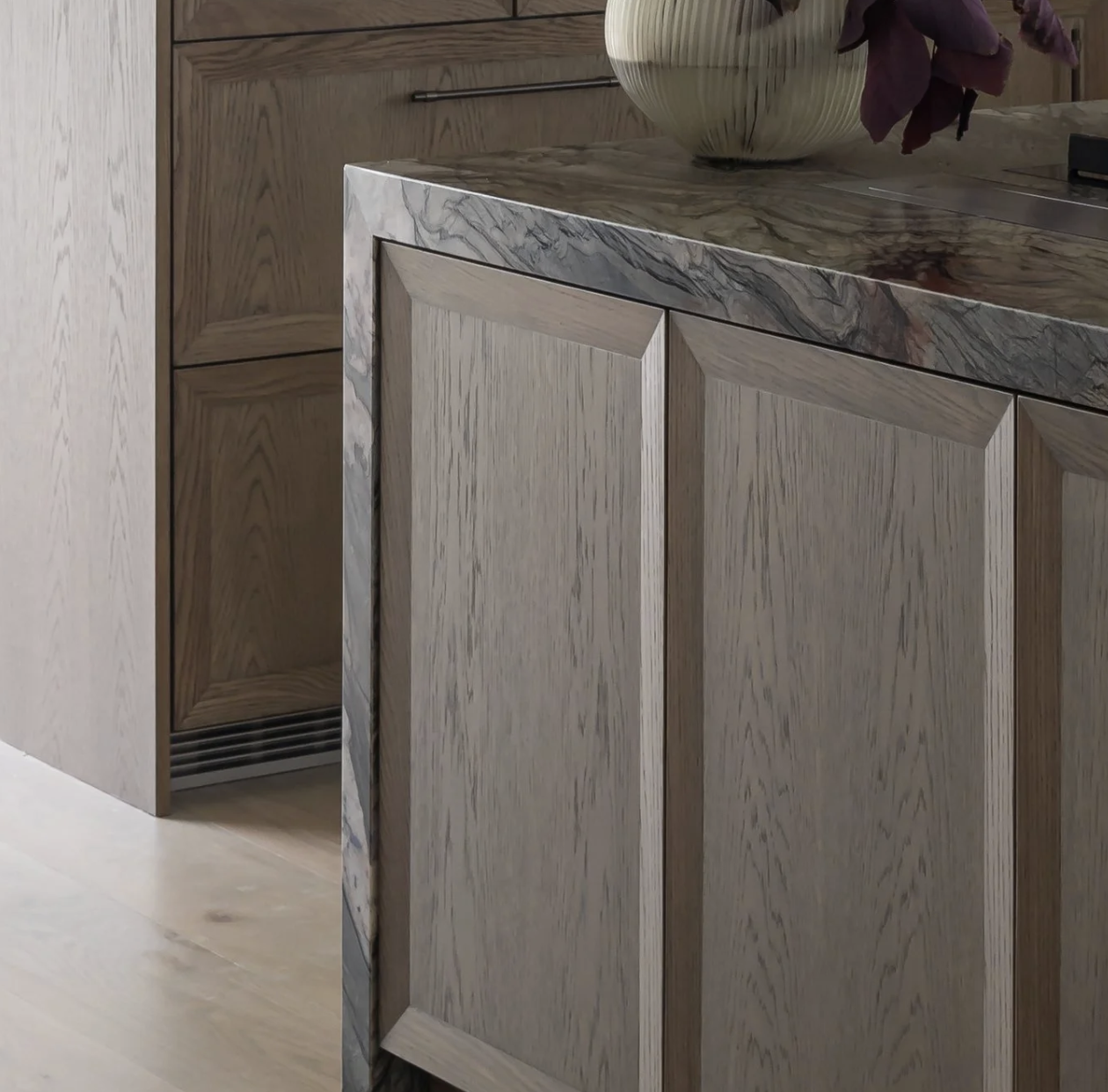
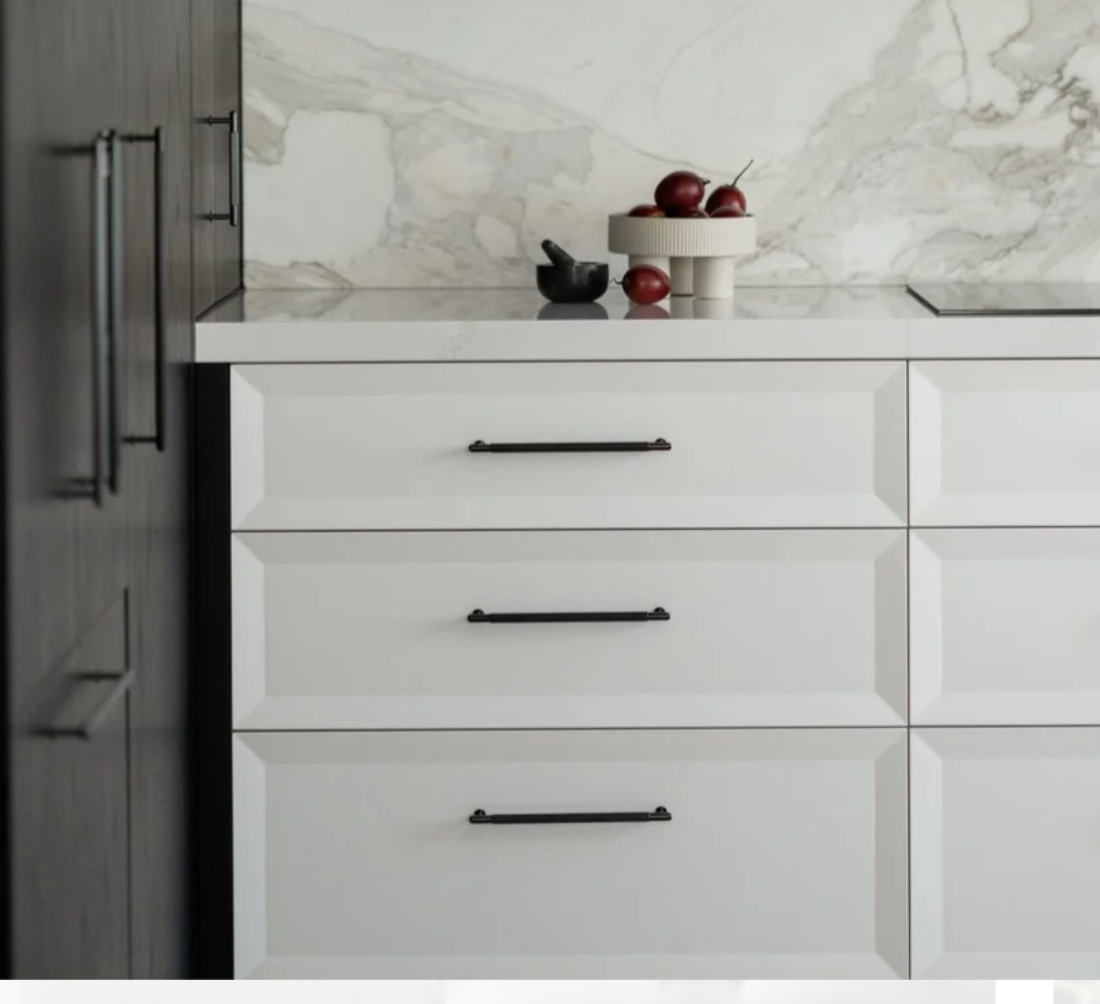
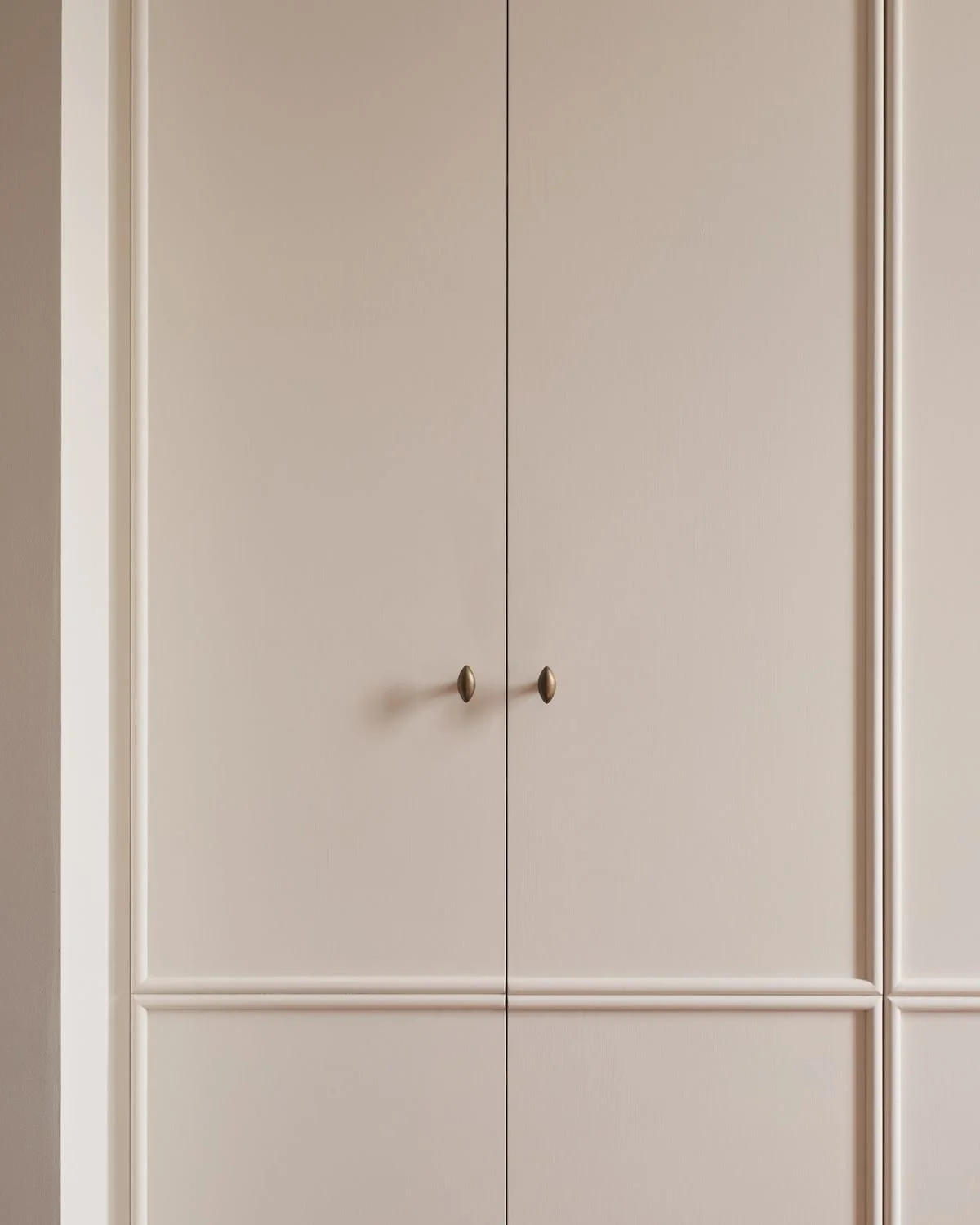
3. Bullnose/half round Profile
Bullnose profiles feature softly rounded edges or framing details. This style has become increasingly popular as interiors move away from sharp minimalism toward softer, more organic forms. Bullnose detailing works beautifully in contemporary homes because it introduces warmth and tactility without looking overly decorative.
4. Reeded and Fluted Cabinetry
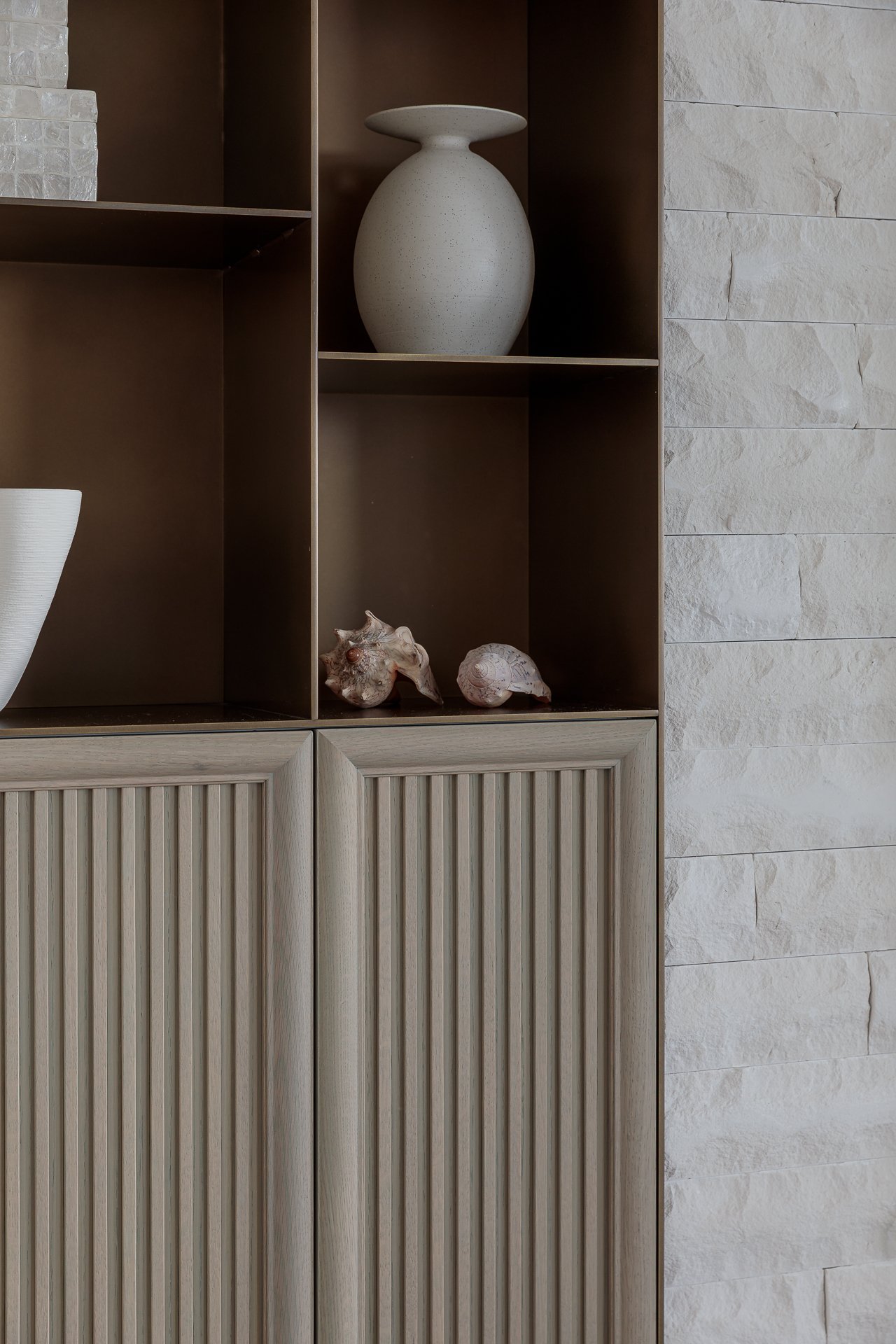
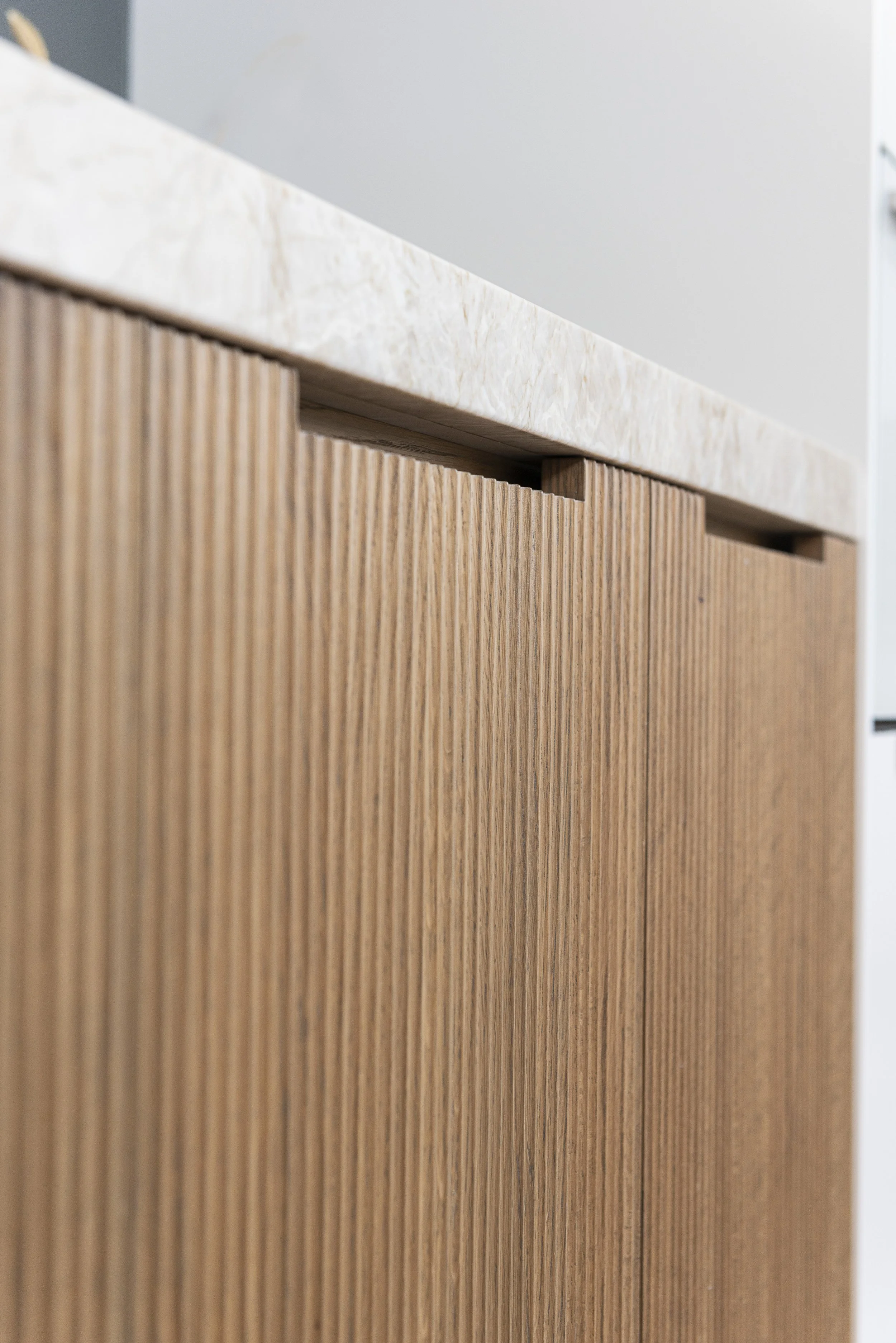
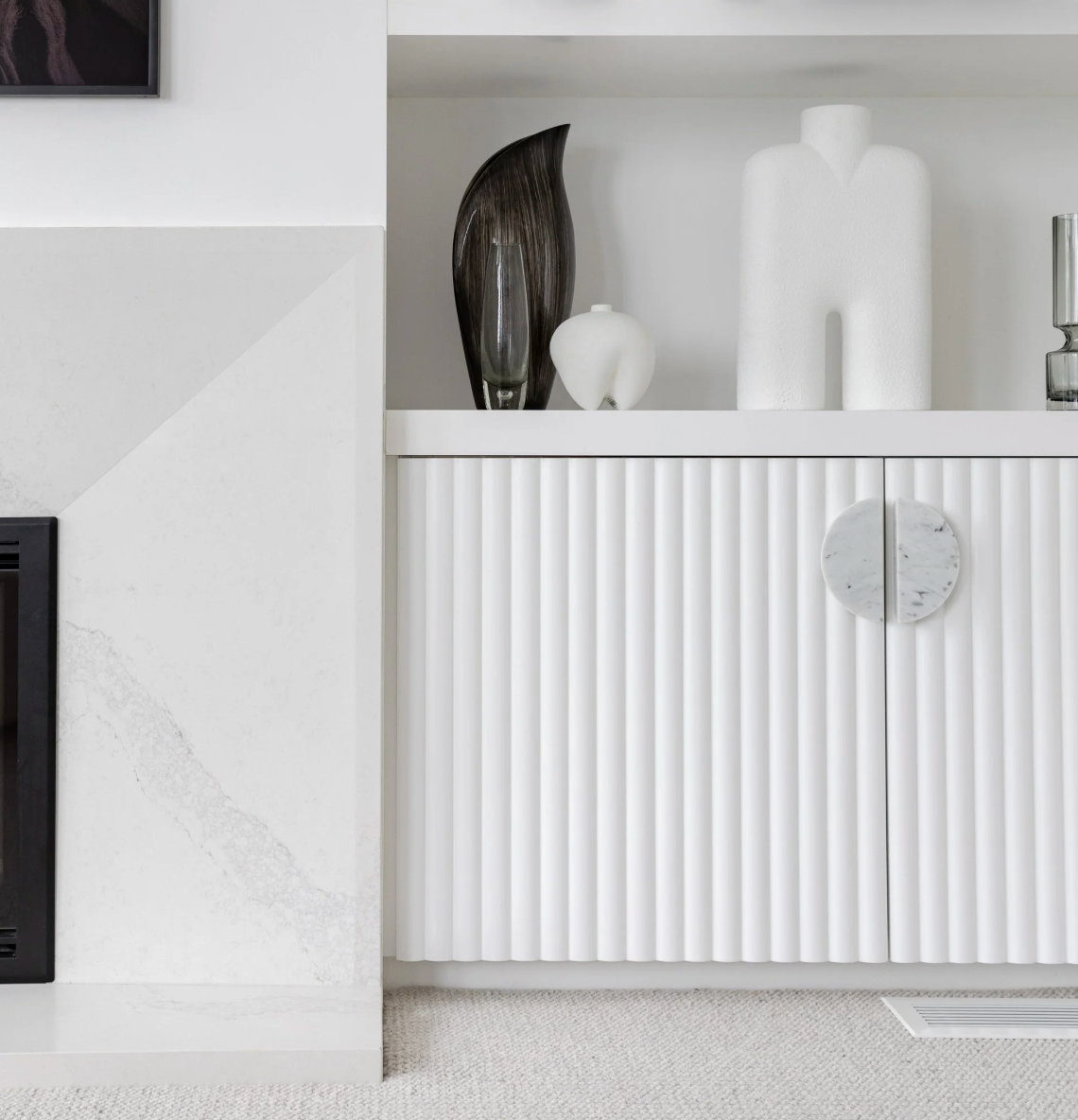
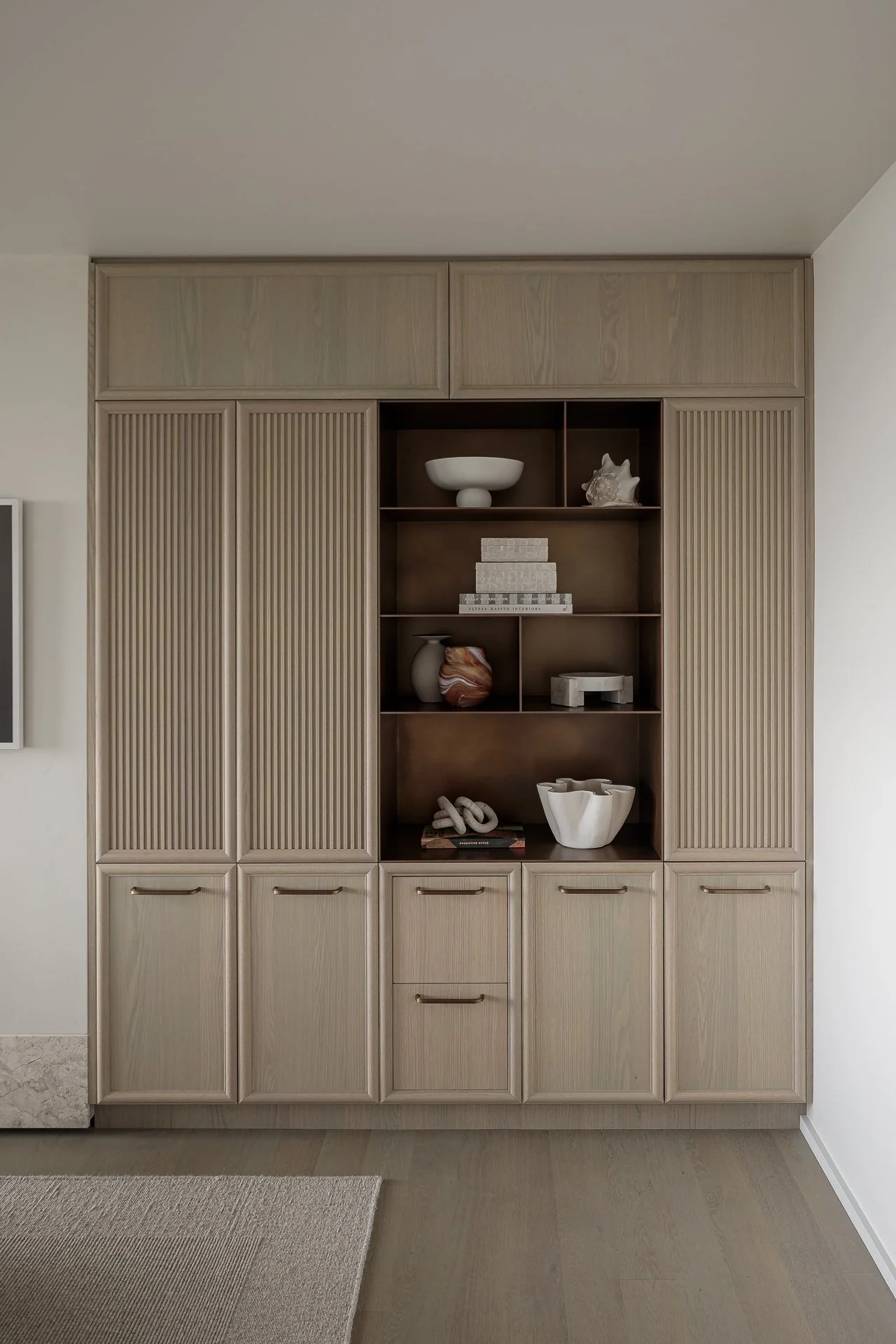
Reeded or fluted cabinetry introduces vertical grooves across the surface. This creates texture, movement and a beautiful play with light and shadow. These profiles work especially well on feature islands, bathroom vanities, bars and entertainment spaces where you want the cabinetry to feel more bespoke. Reeded is generally a square shape profile, fluted is outward convex curves, and scalloped is inward concave curves.
5. V-Groove and Tongue-and-Groove
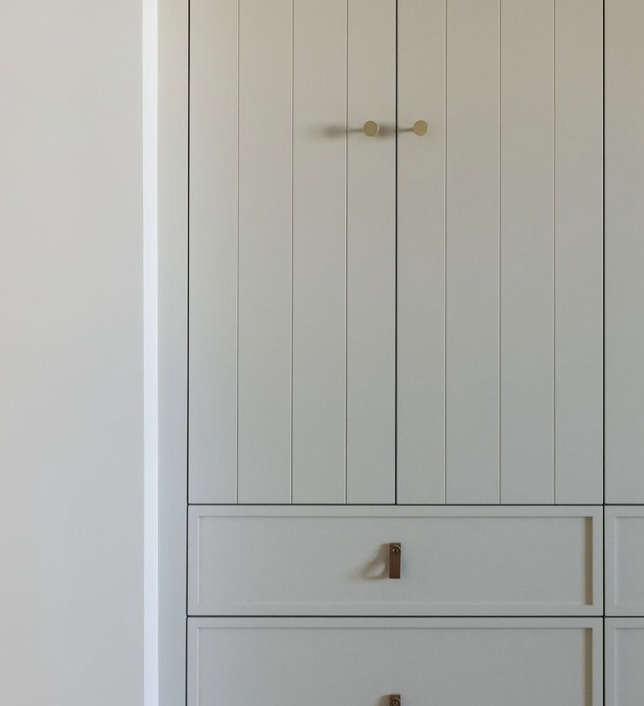
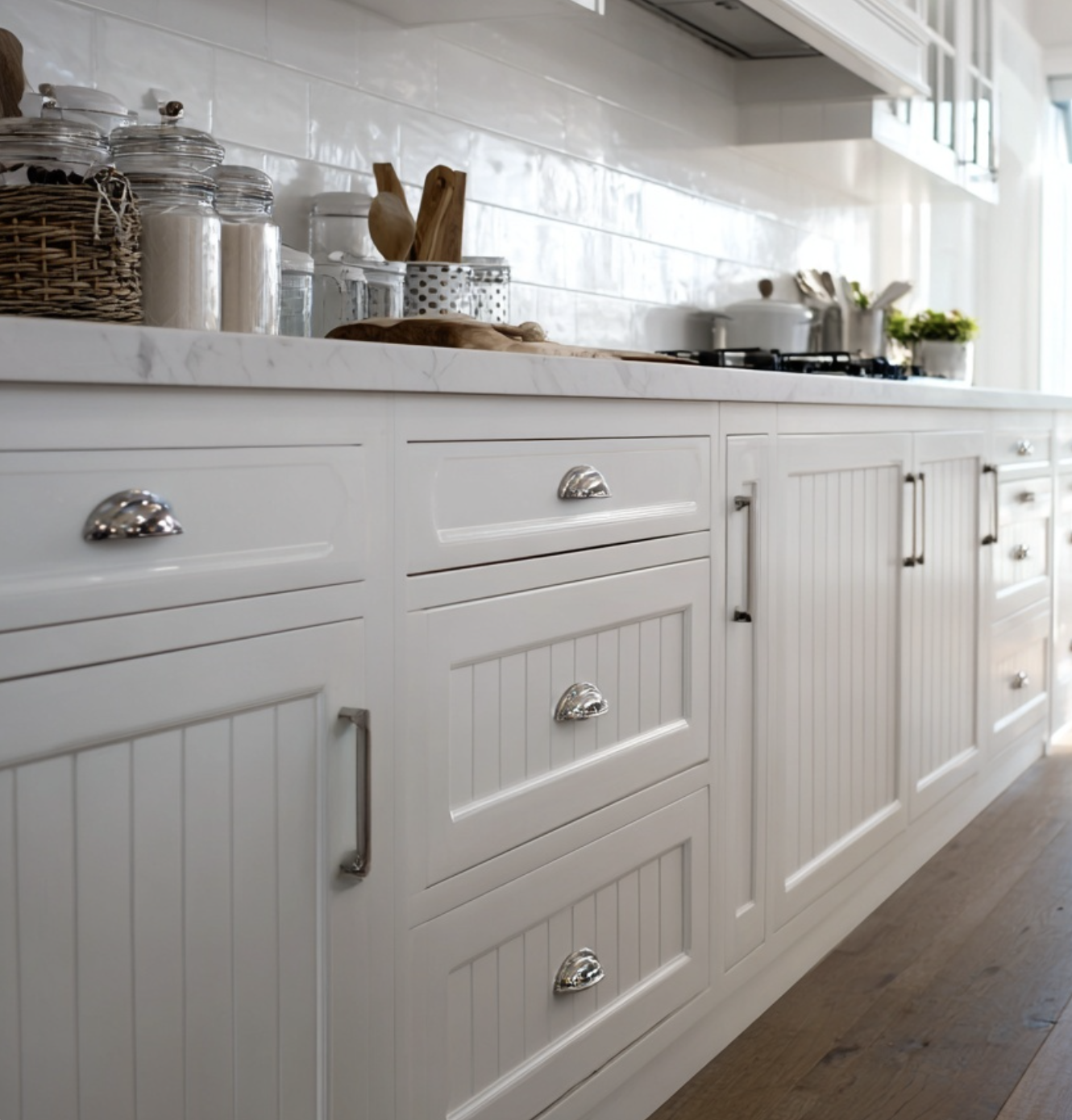
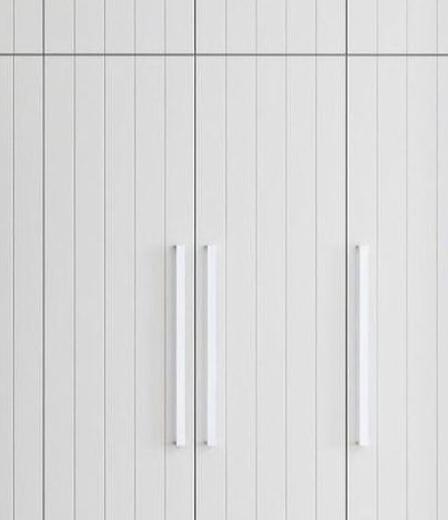
These profiles reference classic wall panelling and coastal architecture. Narrow vertical lines create rhythm and texture while maintaining a relaxed simplicity. They are particularly lovely in laundries, mudrooms, beach houses and family homes where you want a more casual, textural layer.
The Planning Process
One of the biggest misconceptions is that cabinetry profiles are simply decorative additions applied at the end. In reality, they influence almost every stage of design and production. When selecting a profile, we consider the architecture of the home, ceiling heights, door proportions, handle style, paint finish, durability, cleaning practicality, budget and the capability of the joinery manufacturer. Certain profiles also require different substrate materials, deeper cabinetry allowances or additional routing time during manufacturing. Profiled cabinetry almost always costs more than flat panel cabinetry — and for good reason. The increase comes from additional machining time, labour, routing, sanding, paint preparation and more complex finishing.
Don’t be afraid to mix profiles. I love a plain shaker below in the ‘utility’ cupboards and a reeded profile on above-bench cabinetry, or vice-versa. Bringing in a more detailed shape on breakout areas like a bar or entertaining cupboard highlights that those areas can be used in special ways to elevate your everyday living. Shelley
Production Considerations
Not every cabinetmaker makes these profiles equally well. This is where craftsmanship becomes incredibly important - the finer the detail, the more precision required. Badly made profiles can result in uneven spacing, paint cracking at joins, warping, shadow inconsistencies or visible seams. Gentle plug here, this is when I recommend an interior designer as we work with our chosen cabinetmakers to achieve your dream cabinetry, with the peace of mind that it is made to last.
MORE LIKE THIS