The principles of interior design
Great design isn't about following trends. It's about understanding the principles that make spaces feel balanced, beautiful and memorable. Four of the most powerful principles are emphasis, dominance, proportion and scale, and harmony. Together, they help transform a room from a collection of furniture and finishes into a cohesive and captivating space.
Emphasis
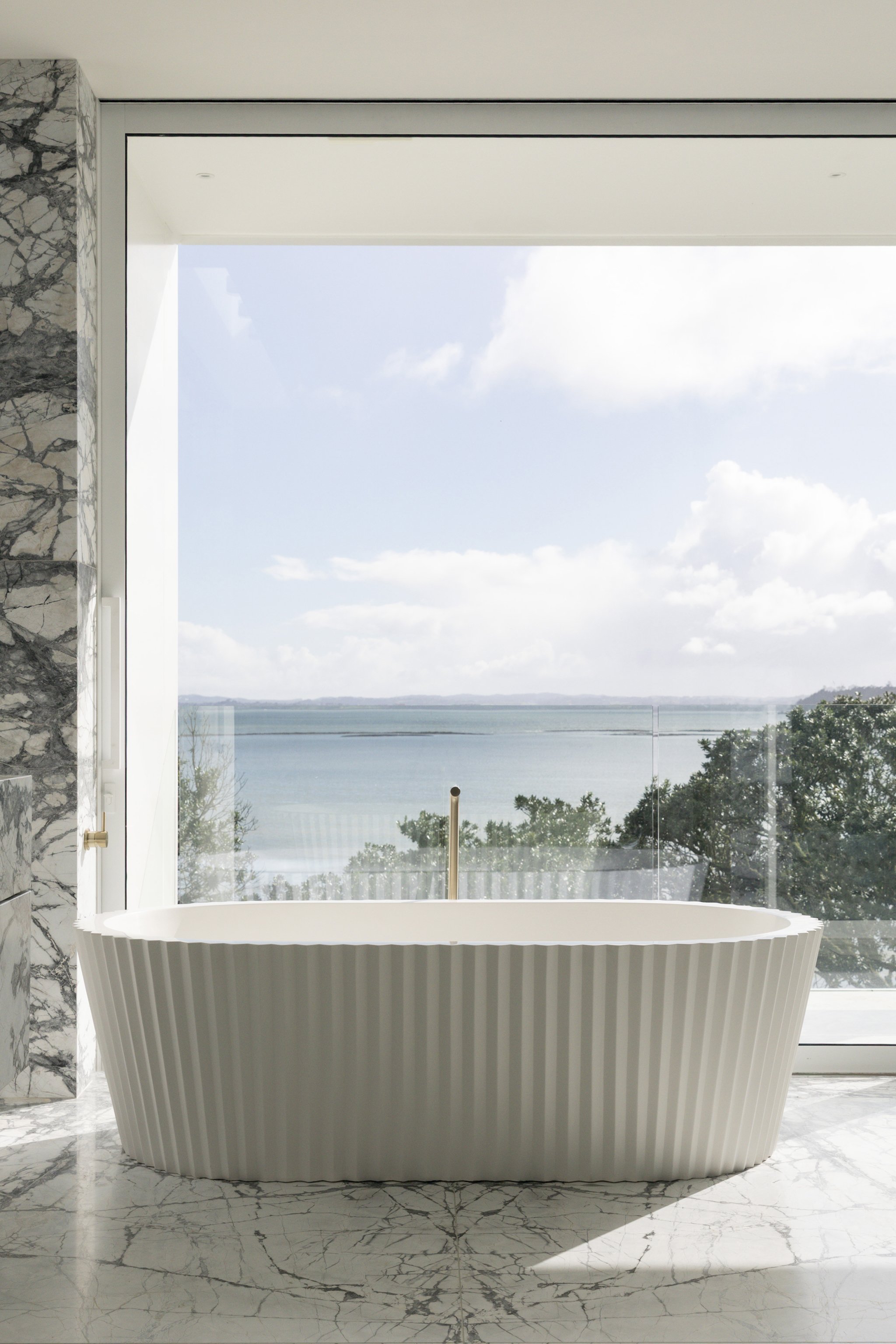
Emphasis literally means giving prominence to something. In interior design, emphasis results in extroverted design features that love to be looked at, and work in harmony with other elements of the room. Your job is to decide which areas of a space have the potential to add emphasis too, thereby creating a focal point that makes a stunning space. Depending on the existing space you can add emphasis to an existing feature in a room or create an entirely new setting yourself.
“The rooms we remember always have something that quietly demands our attention.” Shelley
Ten ways to create emphasis:
Introduce an eye-catching colour into your palette.
Highlight an architectural feature such as a fireplace, ceiling detail, molding or window with a view.
Create a setting around a statement piece of art.
Add a statement furniture piece, like a curved sofa or gilded sideboard.
Hang a statement pendant over a dining table.
Add a headboard wall in a bedroom.
Create a console arrangement in a hallway, complete with art and objects.
Lay a statement floor-tile arrangement.
Install a stone or tile kitchen splashback.
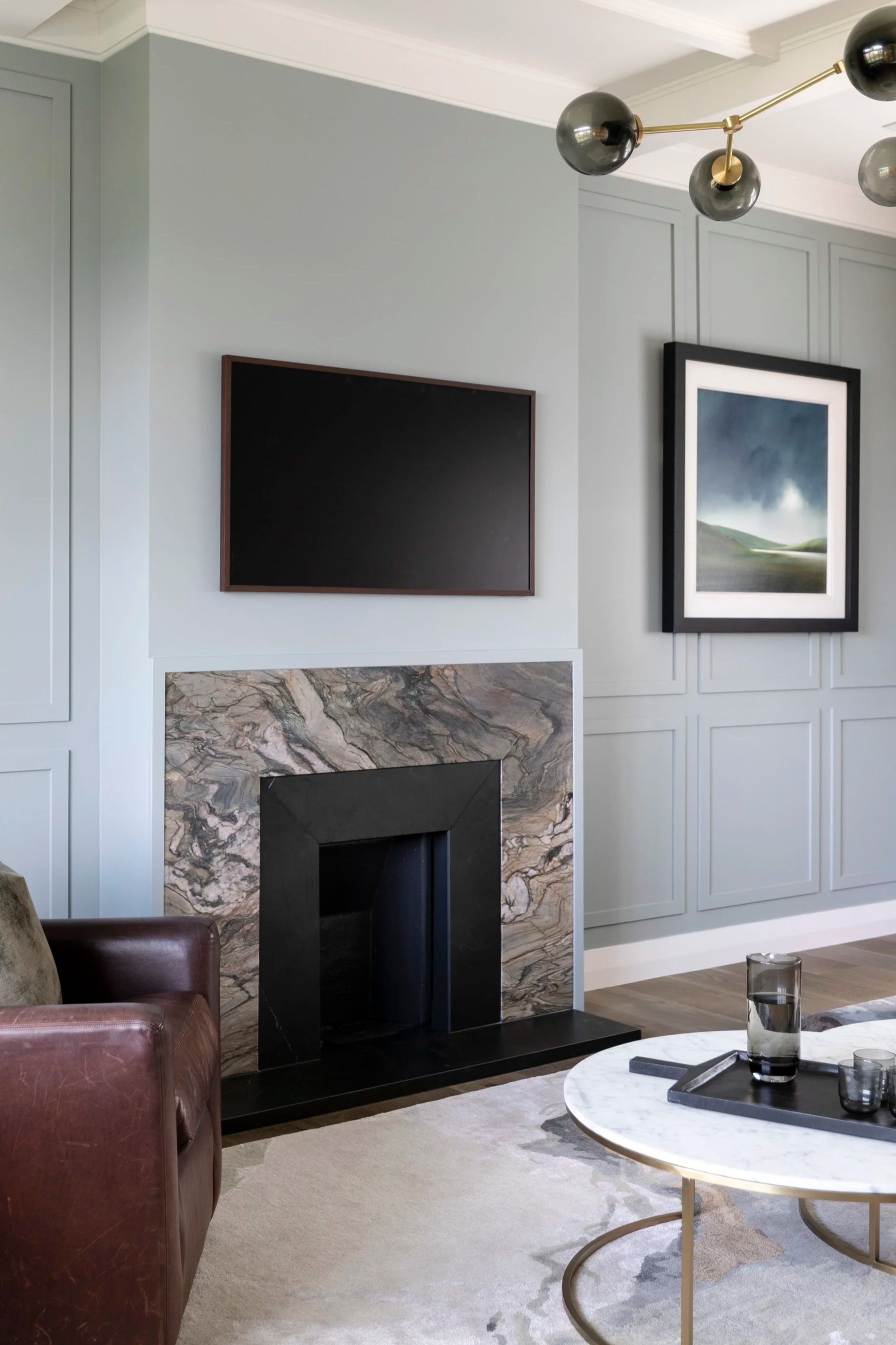
Add texture to a feature, like natural stone on a fireplace surround.
PRO TIP: Use emphasis not only to highlight the good, but hide the bad. Emphasising the amazing part of a room means the bad parts are less likely to be noticed.If there are too many dominant features in a space it can look chaotic and confused, so be selective about how many focal points you need. One is usually sufficient, but a really large space may need two or three.
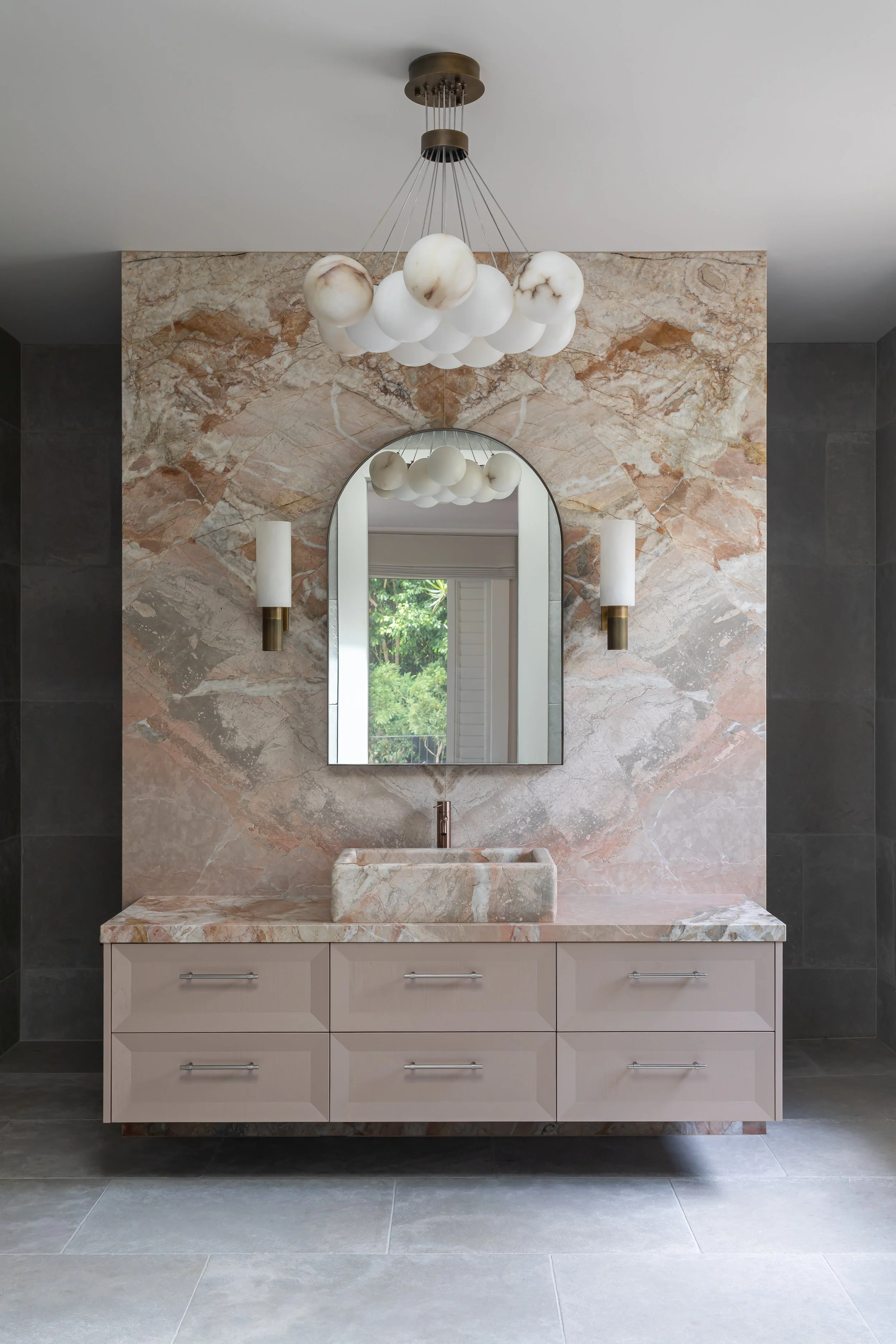
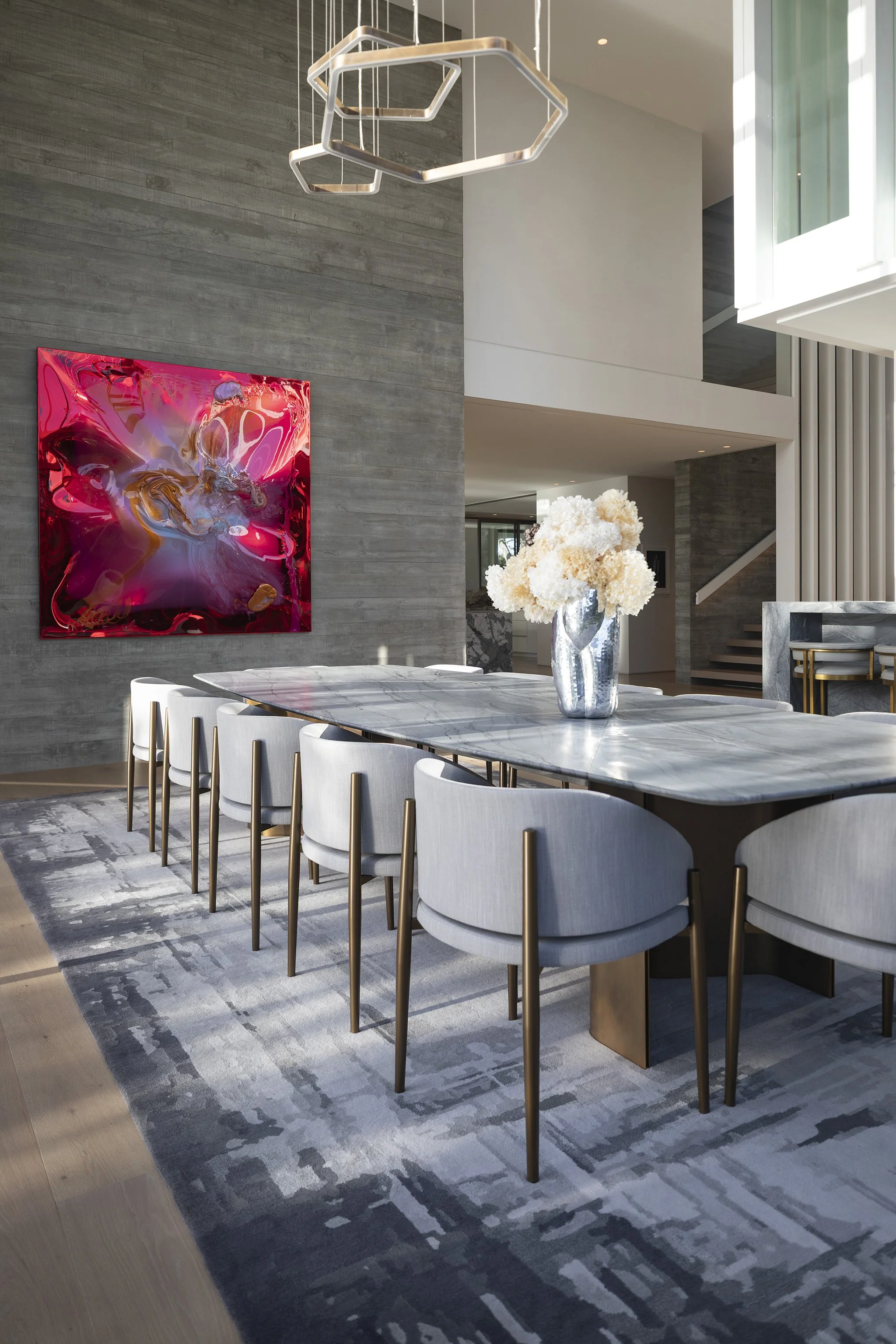
Emphasise an area that the eye is easily drawn to. There’s no point creating an incredible focal point around a corner where nobody sees it.
Dominance
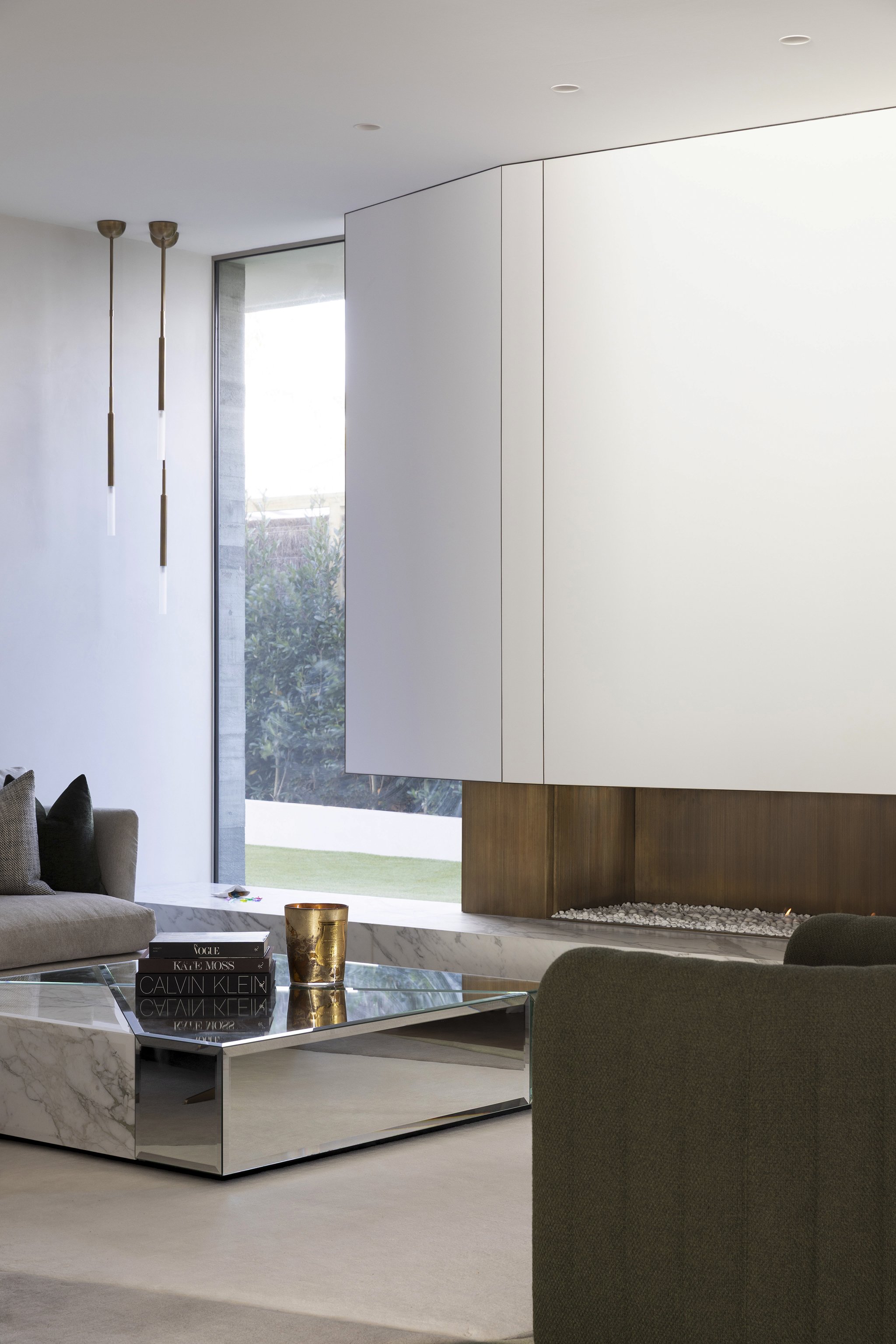
Become a dominatrix! Dominance is the order in which elements in a room are noticed, or in other words, their visual hierarchy. When you’re considering the design possibilities of a room it can be helpful to rank each element according to how noticeable you want it to be, just like a painter would do when planning an artwork. Here’s an example — let’s call it ‘Shelley’s living room’.
Sub-dominant (the secondary features or middle ground):
The styled bookshelves either side of the fireplace
The pendant light with ceiling rose
The feature rug
The two feature occasional chairs
Subordinate (the least importance or background):
The plain flooring
The white walls
The small window that overlooks buildings
The view back to the open-plan kitchen that needs renovating
Dominant (the most obvious or foreground):
The fireplace with feature stone column
The view of the park from the full-height window
When planning a room, ask yourself: "What do I want people to notice first?" Then deliberately create a hierarchy that supports that answer.
Proportion and scale
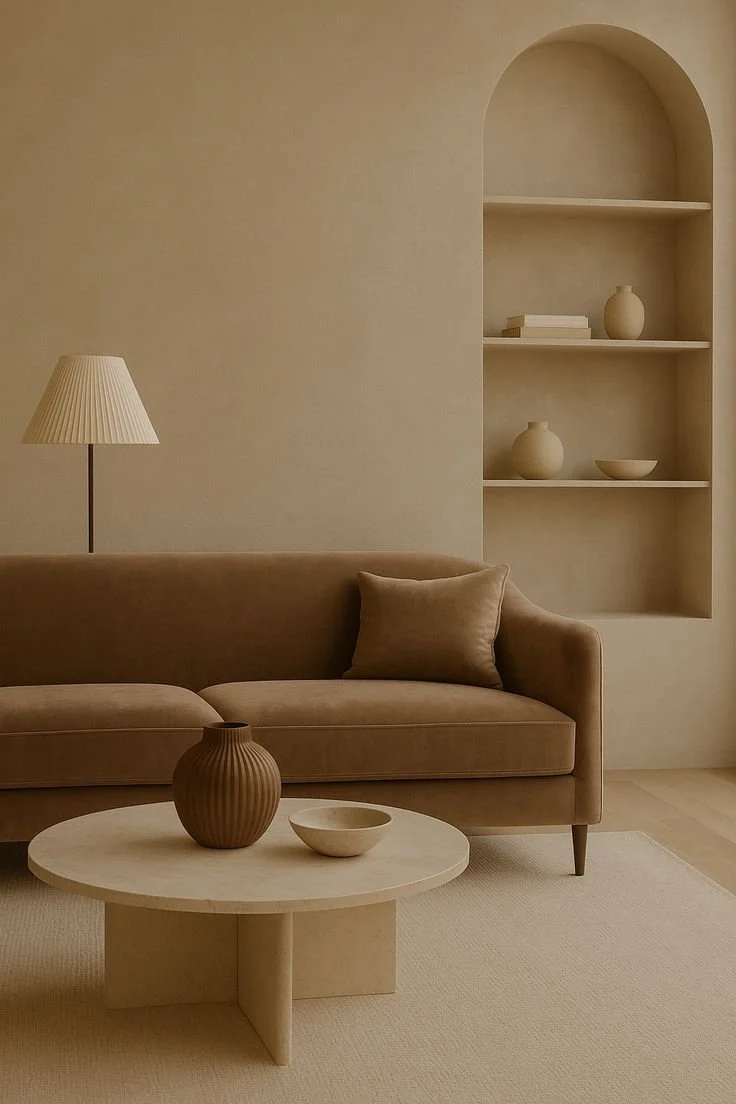
Have you ever fallen in love with a piece, got it home and realised the size is completely wrong for the space? Join the club — it’s a lesson I learned the hard way, luckily in my own home! Put simply, scale is how objects work in relation to a space (or person), and proportion is the shape of an object and how it works in relation to other objects. So, a tiny sofa will look wrong in a large room. And while a large tray may be the perfect scale for a large room, if the coffee table is tiny the proportion of the tray will be wrong once placed on the table.
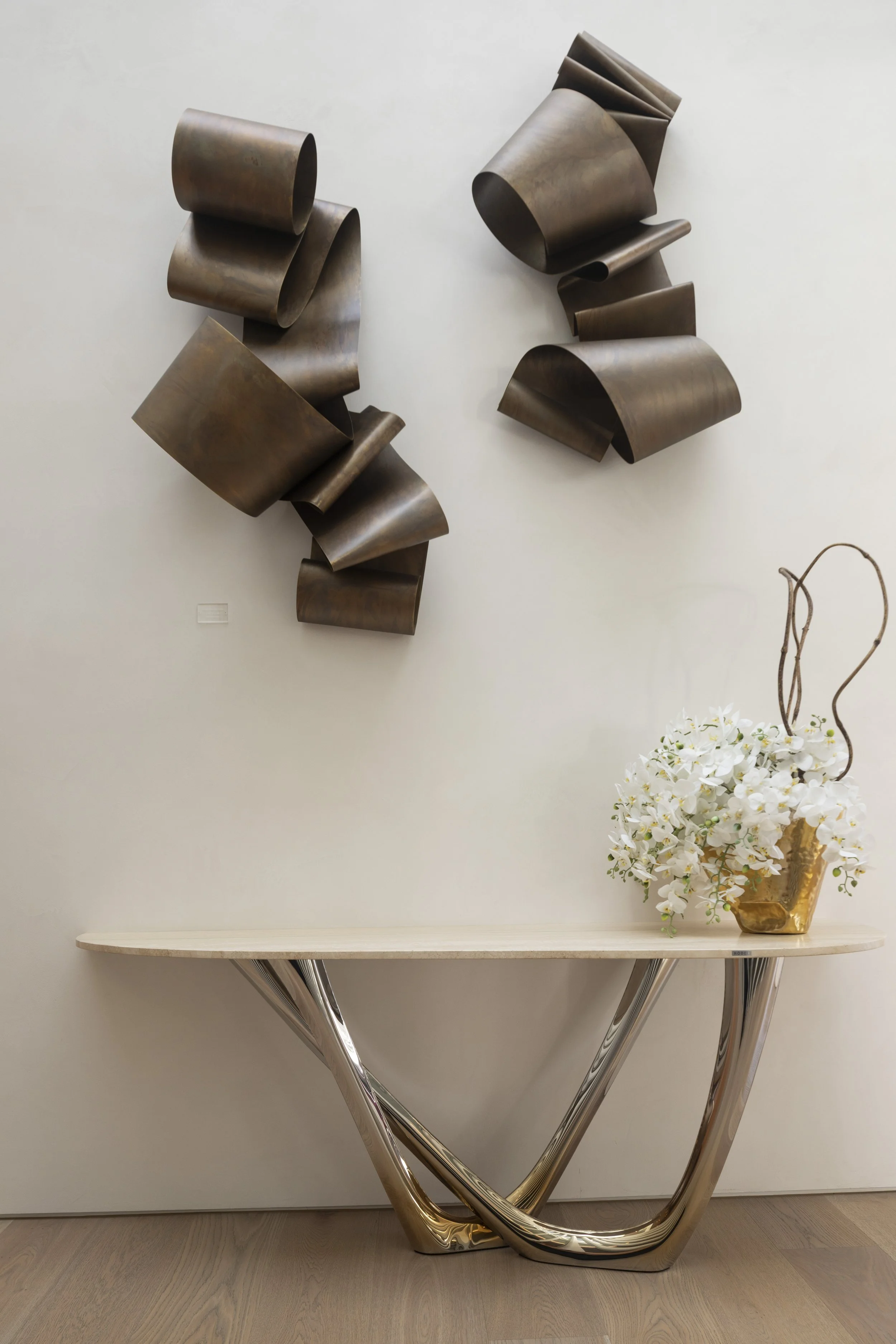
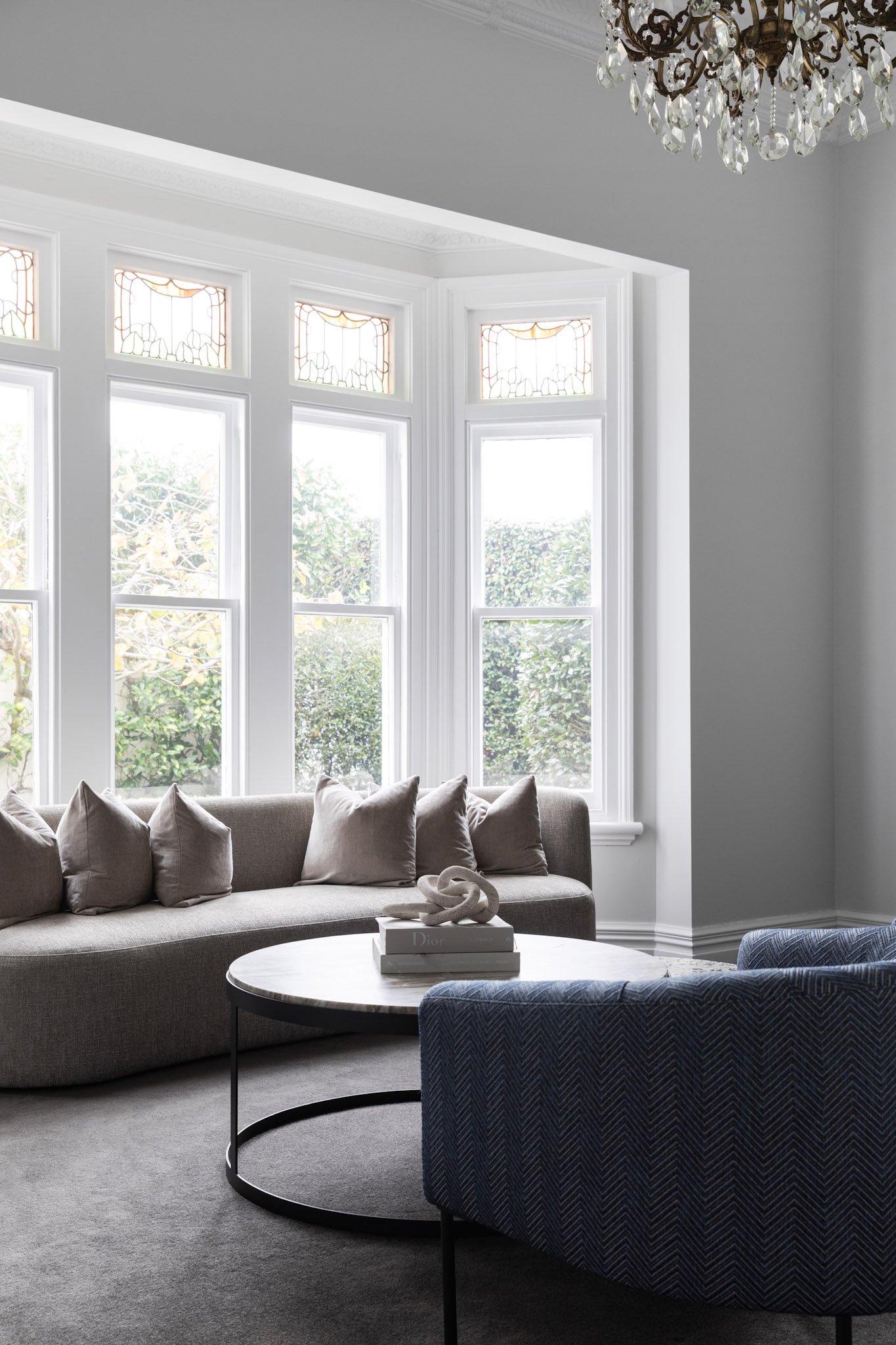
A room can have beautiful furniture, but if the scale is wrong, it never feels quite right.
Ten ways to use scale and proportion:
1. Start with a hero piece of furniture that suits the room’s size, and scale other items with it front of mind.
2. Layer larger items like art at the back of a styled arrangement, through to smaller items in front. 3. Select furniture that’s the right sizes for the function it needs to play in a room.
4. Scale items to a room’s height, not just width. A small room with a high ceiling may need a couple of taller furniture pieces to nail the scale.
5. When planning built-in changes like door sizes, wall-framing designs and floor-tile patterns, choose a scale that suits that of the structure.
6. Use a mix of sizes when creating styled vignettes — that coffee table arrangement is an exercise in scale and proportion!
7. Play with patterns that suit the scale of a room or the furniture in it — use at least one large-scale pattern for impact.
8. Use a feature lighting piece like a pendant up high to balance the scale of pieces down low.
9. Install a mirror to help create or reflect scale – they can be hung or leaned, and are often cheaper than large artworks!
10. Leave room for negative space as it allows the design features to be noticed.
Pro Tip : The Golden Ratio — 1:618, is the universal mathematical formula for divine proportion) The Golden Ratio has been used for centuries in design, including to create the Pyramids of Giza and da Vinci’s Mona Lisa — even the human body matches it. The philosophy is that design is the most visually appealing when the proportions equal this certain ratio, which roughly equates to 60/40. In relation to interior design, the thinking is that filling 60 per cent of a room and leaving 40 per cent open makes a room feel perfectly designed.
Harmony
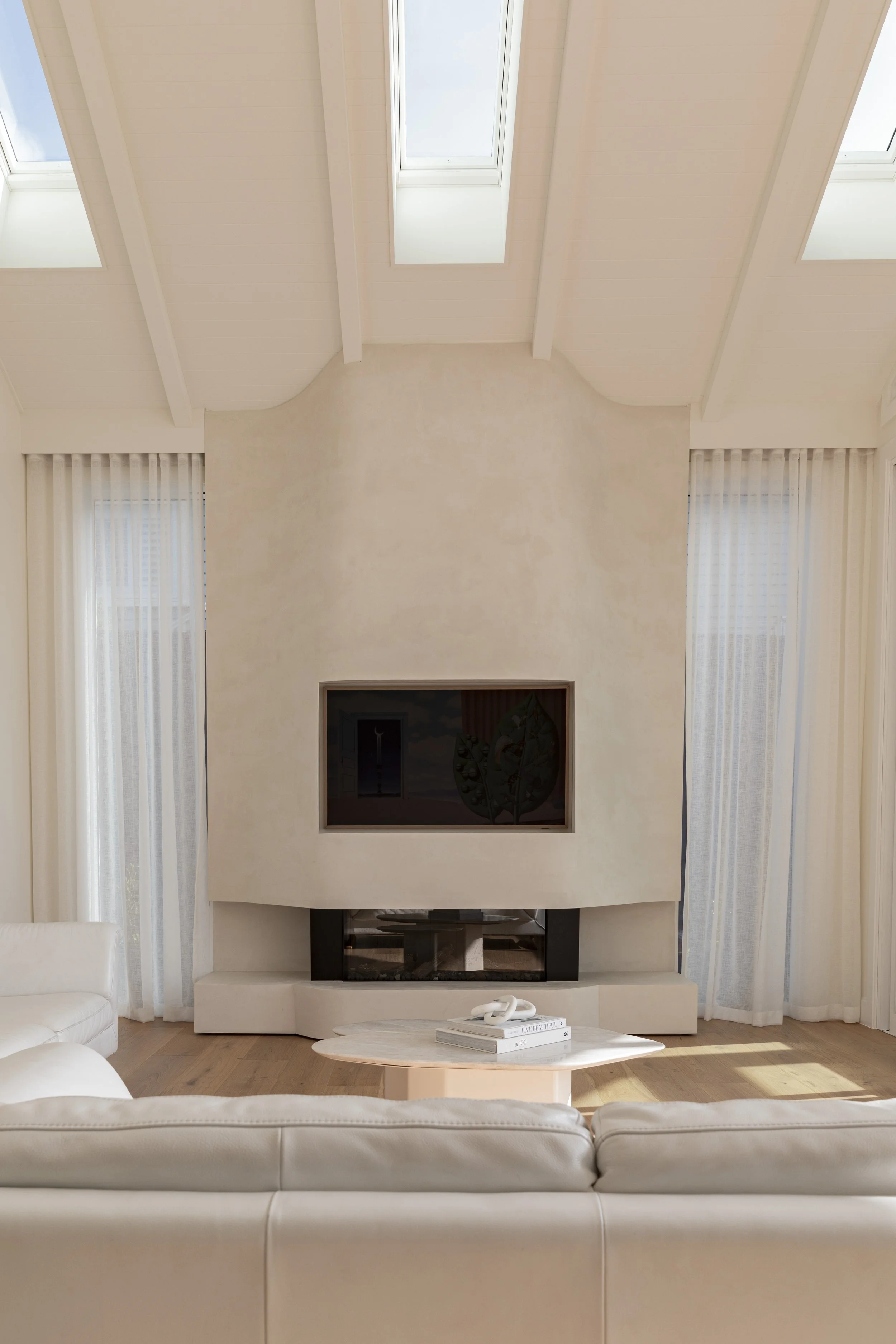
A space takes on a harmonious feel when all the elements of your design fit together to create a unified whole. Rather than noticing areas in isolation, the room becomes the story, and you can delve into its chapters at your leisure. Using the above elements and principles creates a space with a cohesive look and mood that captivates all your senses.
Bringing it all together
The most memorable interiors use all four principles simultaneously. Emphasis creates interest. Dominance creates hierarchy. Proportion and scale create balance. Harmony ties everything together. Mastering these principles will help you make better design decisions regardless of your budget, style or project size. Need Help Bringing These Principles Into Your Home? Whether you're renovating, building or furnishing a home from scratch, our studio specialises in creating interiors that feel beautiful, functional and personal to you.
MORE LIKE THIS