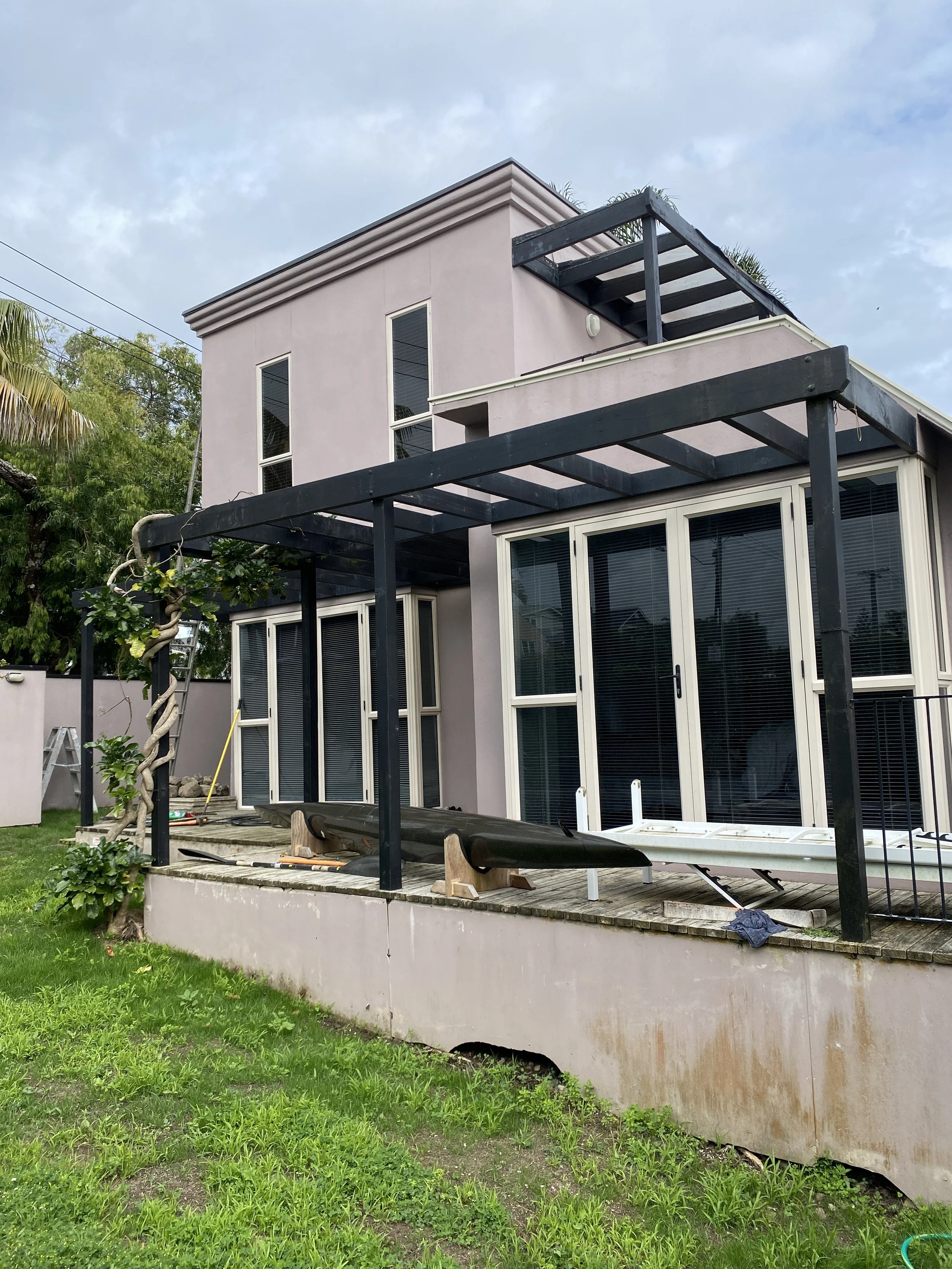
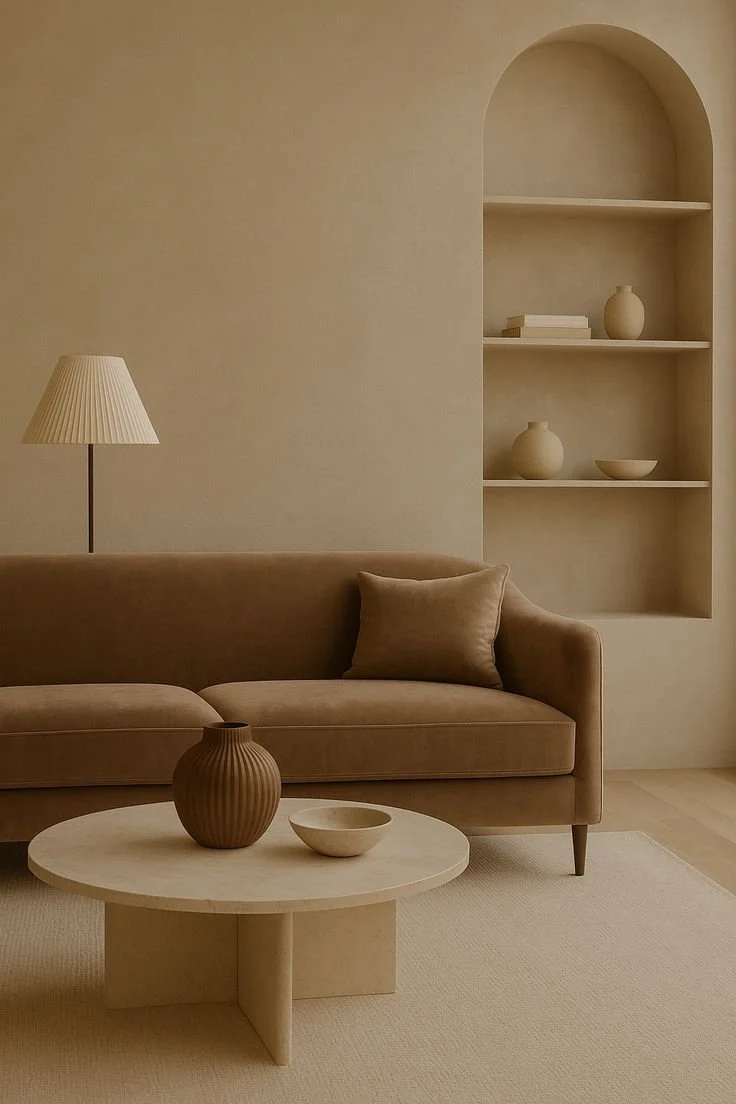
What is actually worth spending money on when doing a new build? Of course we want all the bells and whistles, but just like in a relationship compromise becomes the key. When you're building a new home, it's incredibly easy for the budget to creep. Upgrade the tapware here. Add another feature there. Suddenly you've added tens of thousands of dollars. Instead, I like to challenge what features will genuinely improve your life, and which we can achieve cleverly in a different and more cost effective way. Here are some of my top features to include if you can.
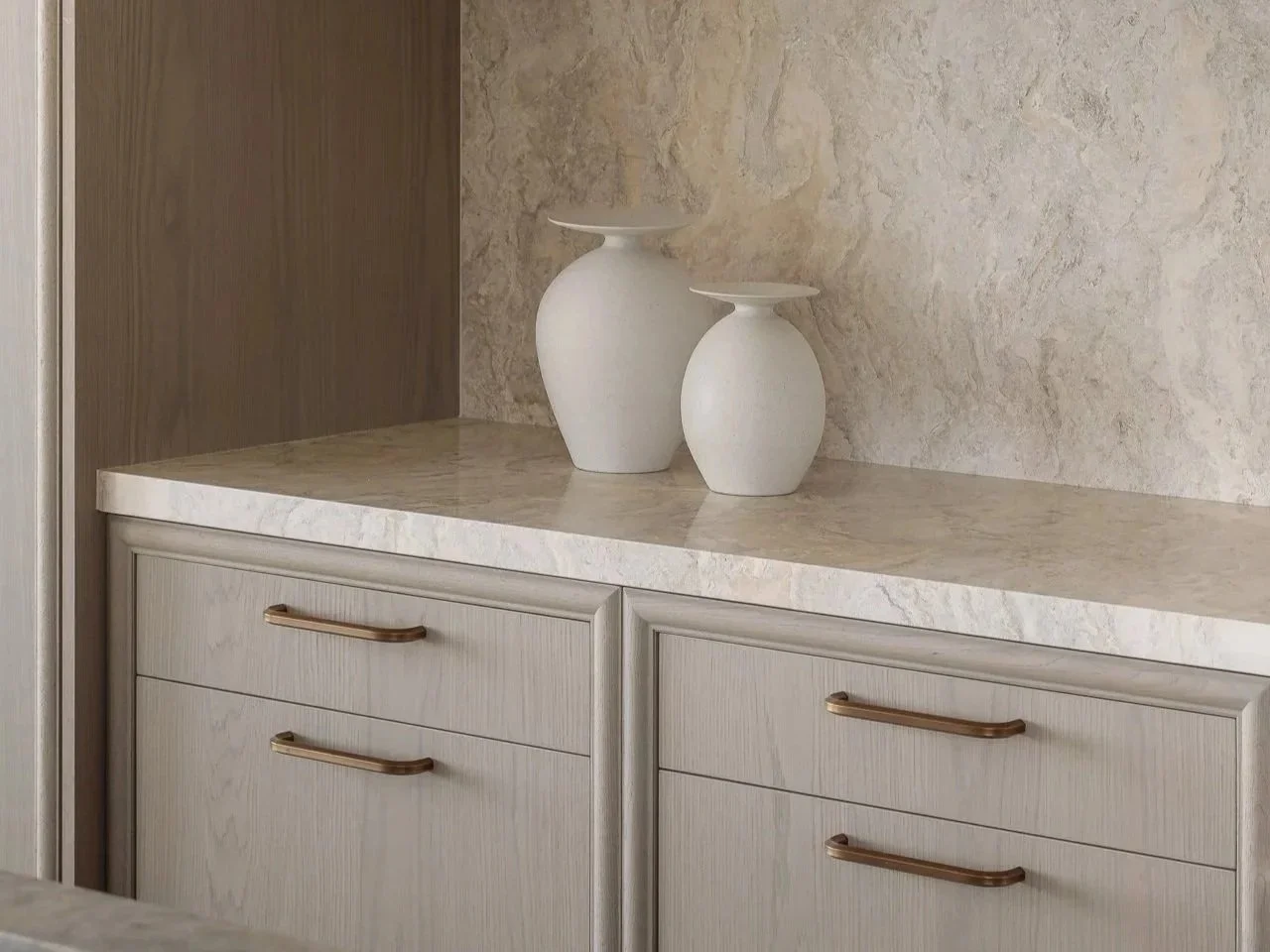
Worth it #1
1. Ceiling height
If the budget allows, increasing ceiling height in the right spaces can have far more impact than an expensive decorative finish. Volume changes the way a room feels. You don't necessarily need soaring ceilings everywhere either. Sometimes creating height in one main living area - perhaps just a gable or raked ceiling - gives the entire home architectural presence. In my new build, we are creating a gabled ceiling in the upstairs kitchen and living room only, to capture a peek of sea view we have, to let natural light in, and to create a sense of space and luxury in an economical build with average floorspace.

A gabled, raked ceiling in a client’s Waiheke home is enhanced further with a glass gable above, and corner windows either side with window seats to relax on.
Worth It #2
2. Windows in the right places
I would choose a beautifully positioned window over an expensive tile almost every time. Windows have an enormous influence on how a home feels to live in — determining natural light, views, privacy, furniture placement and your connection to the landscape. Thoughtful orientation can also bring valuable passive solar warmth into your home during winter. And the best window isn't always the biggest one. A smaller window carefully positioned to frame a tree, capture a glimpse of sky or bring light into a room while maintaining privacy can be far more impactful than a huge expanse of glass looking at a fence. Think of windows as part of the architecture: consider what each one frames, where the sun moves throughout the day and what you'll see when you're sitting as well as standing. Finishes can be changed later; windows are much harder to move. Get the architecture and natural light right first, then layer in the beautiful finishes.
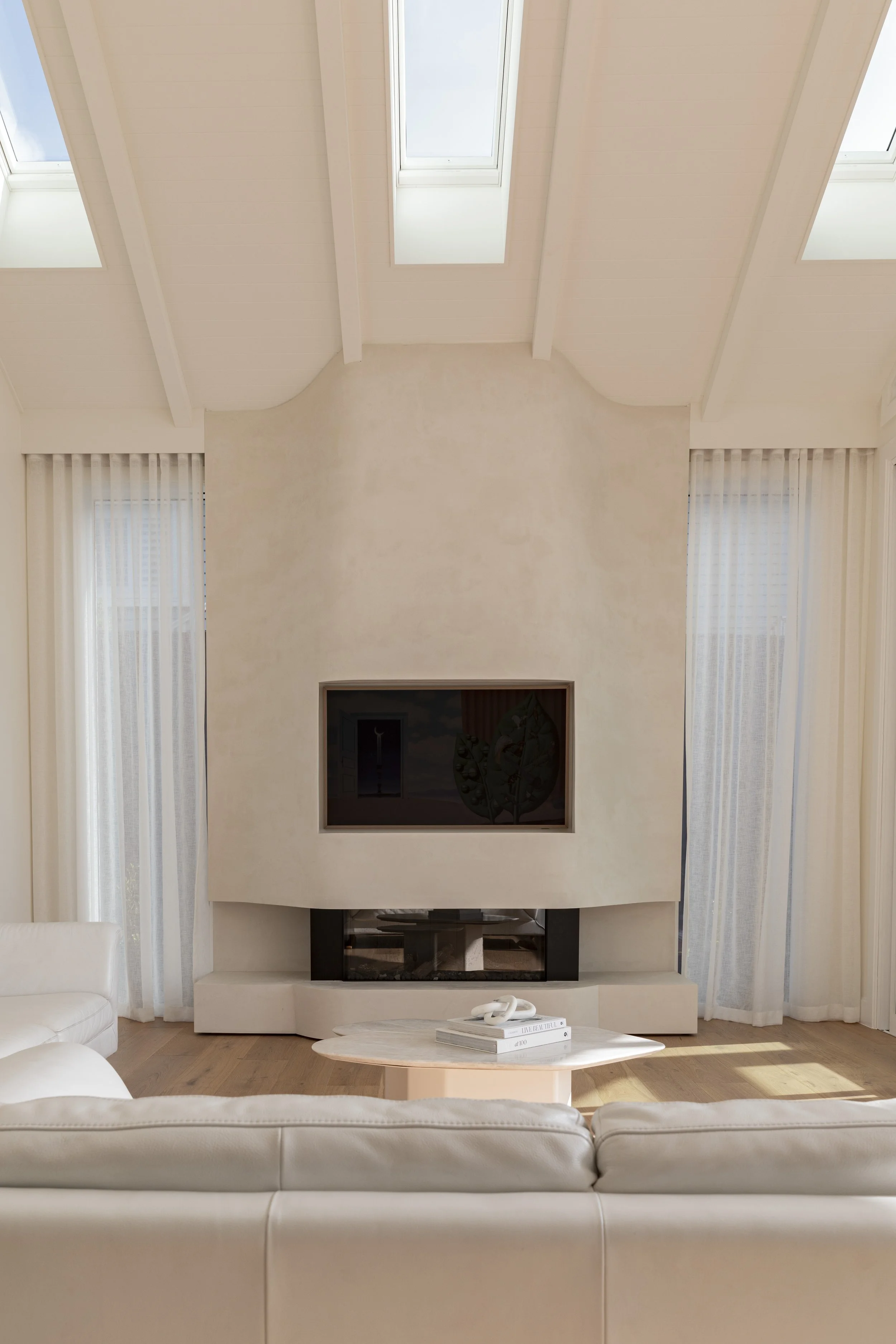
In this client’s North Shore new build, windows either side of the fireplace and TV column allowed us to make a real feature fireplace, plus they let light into the room which we diffused with sheer curtains.

A new gabled window looks straight out to a stunning sea view in this client’s Auckland home.

A curved window maximised this client’s kitchen, creating a great spot for a window seat.
Worth it #3
3. Layered lighting
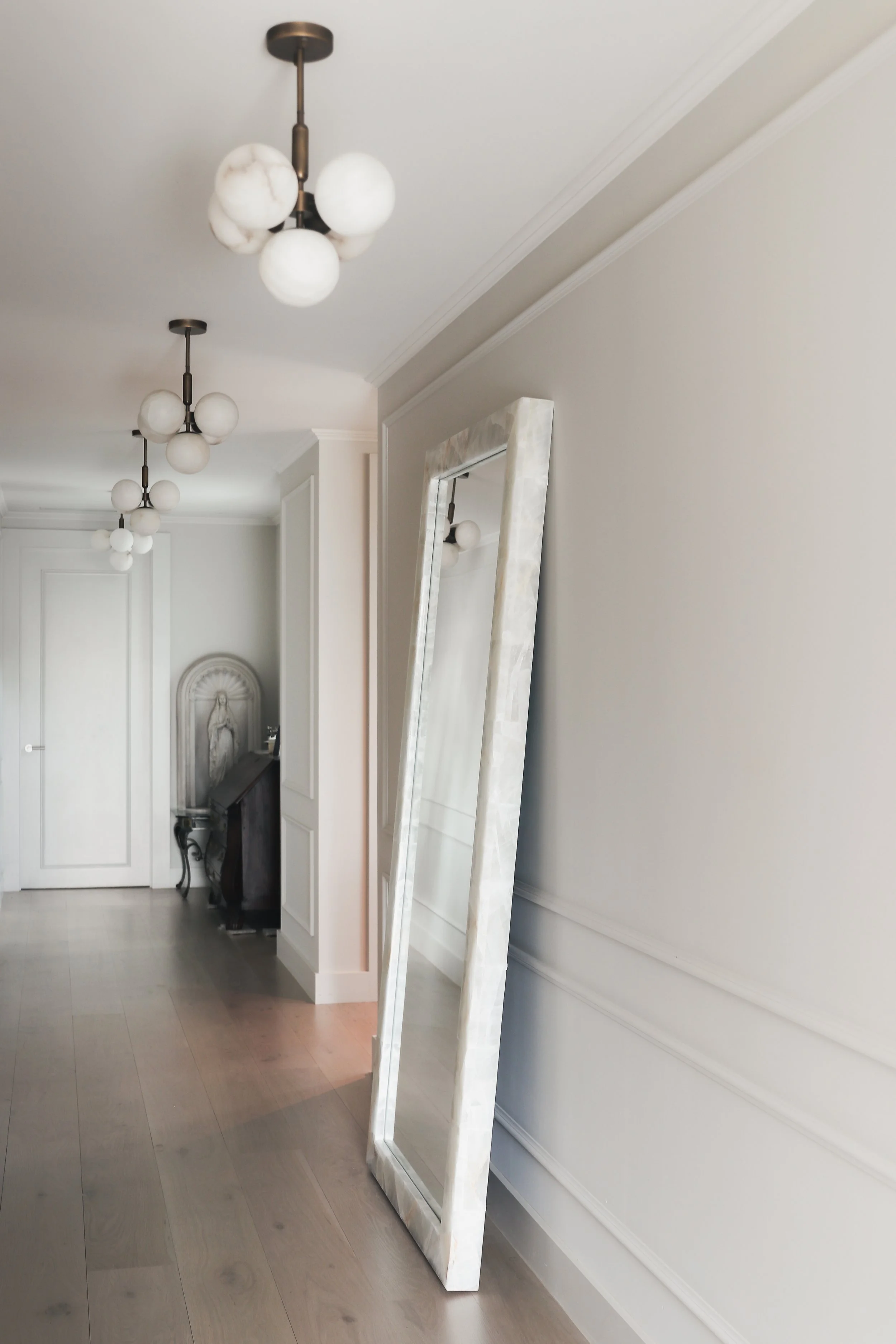
I'm not talking about filling the ceiling with expensive feature lights, rather a considered lighting plan with ambient light, task lighting, wall lights, joinery lighting, pendants and lamps. And fewer downlights than you might think. Lighting changes the atmosphere of a home hugely, and it's much easier to plan the wiring before the walls are closed. Often the room suffers from a condition I call ‘ceiling acne’, where too many downlights are installed with no lighting at different levels around the room. This creates a strong downward light that can feel harsh and flat, rather than the softer, layered atmosphere you get from combining ceiling lights with pendants, wall lights, lamps and integrated lighting at different heights.


Worth it #4
4. cabinetry THAT SOLVES A PROBLEM
Good built-in cabinetry earns its keep. An entry bench that catches shoes and bags. A window seat with storage underneath. A beautifully integrated television unit. A study nook. A properly considered mudroom. I love cabinetry when it makes everyday life easier and contributes to the architecture of the room.


Worth it #5
a great electrical and tech plan
A thoughtful electrical plan isn’t something you necessarily notice when you walk into a beautiful home, but you absolutely notice when it hasn’t been done well (hello tangles of cords). For me, it starts with thinking about how you’re actually going to live in each space. Where will the furniture go, and what does that mean for powerpoint placements? Where will you charge your phone? Are your bedside lights wall mounted or table lamps? Can you turn the lights off without walking across a dark room? Do you need a sensor light under the bathroom vanity for when the kids stumble into the loo at night? Where will the Christmas tree plug in? Do you want your electric toothbrushes to be hidden while they’re charging? It’s those tiny, everyday details that make a home feel satisfying rather than annoying because it doesn’t support your daily habits.
I also like to think ahead. Technology changes so quickly, so even if you don’t want automated blinds, integrated speakers, security, smart lighting or an EV charger right now, it can be worth putting the wiring and infrastructure in while you build. The same goes for really good Wi-Fi and data — particularly in larger homes. None of this is particularly glamorous at framing stage, but once you’re living in the house, you’ll appreciate it every single day.


Five Things I Would Think Twice About


1.A HUGE SCULLERY if it sacrifices the kitchen & living space
Don’t get me wrong I love a good scullery. But I don't believe every house needs one. If creating it steals valuable space from your kitchen, living area or natural light, I'd question whether it's actually improving the house. Sometimes a brilliantly designed pantry cupboard is the better answer.
2. EXPENSIVE stone EVERYWHERE
Stone and natural tiles are a wonderful material, but not every bathroom needs to be tiled floor-to-ceiling on four walls with expensive natural stone. Choose where the impact matters. I'd rather use one beautiful material really well like on a vanity, or choose some of the great cost-effective porcelain tiles on offer now, or even partly tile the walls to save money on a build.
3. TOO MANY FEATURE LIGHTS
A feature isn't a feature when there are twelve of them. Choose your moments. One beautiful pendant over an island can be far more effective than decorative fittings competing throughout the entire open-plan space.
4. A DOUBLE-HEIGHT VOID WITHOUT A REASON
They can be spectacular. They also consume space and budget. If a void creates an amazing architectural moment, brings light into the centre of the house or connects levels beautifully, wonderful. If it's there purely because it looked impressive on Pinterest, I'd question it.
5. UPGRADING EVERYTHING
The trick is creating hierarchy. Decide which three or four things really matter to you and spend there. Then let the quieter elements do their job.
That's something I'm really looking forward to bringing to our Jennian Auckland North projects: helping clients look at the entire budget through a design lens and work out where it makes sense to spend, and where we can save, based on how you live.
MORE LIKE THIS